
Explore RSTC UHF RFID antennas for stable, long-range tag reading. Choose from 6dBi and 12dBi models with circular or linear polarization for different coverage needs. Please reach our sales person for other special type antennas.
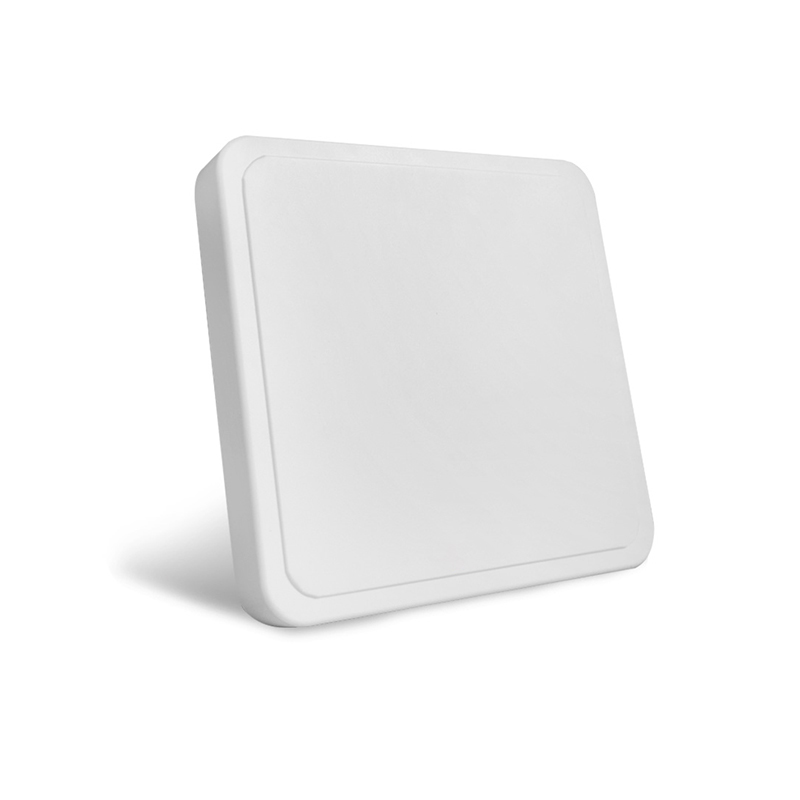
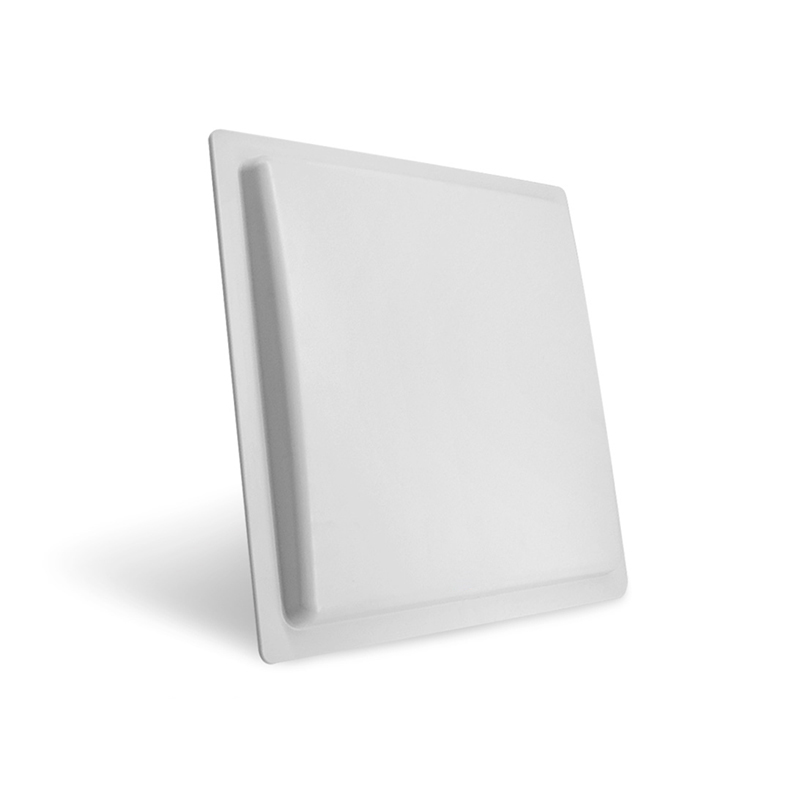
An RFID antenna enables communication between the RFID reader and tags by transmitting and receiving radio waves. In passive UHF RFID systems, antenna selection affects read range, coverage, tag orientation tolerance, and overall system stability.
RSTC offers standalone and integrated UHF RFID antenna solutions for different coverage, installation, and reading requirements. Available options include 6dBi and 12dBi antennas with circular or linear polarization, depending on the product model. Please reach our sales person for other special type antennas.
RSTC currently offers two standalone UHF RFID antennas:
Standalone antennas provide greater flexibility in antenna placement, cable routing, and read-zone design. They are suitable for warehouse entrances, logistics checkpoints, production lines, access control, and other fixed RFID installations.
The appropriate polarization depends on tag placement, required coverage, reading distance, and the installation environment.
RSTC also offers integrated UHF RFID products that combine the reader and antenna in one enclosure. Available configurations include:
These integrated designs simplify installation, reduce external cabling, and support middle-range or long-range RFID deployments in warehouses, logistics facilities, parking systems, production lines, and access control applications.
UHF RFID antennas create controlled reading zones for automatic identification, inventory management, asset tracking, and access control. The appropriate antenna configuration depends on tag orientation, coverage requirements, installation conditions, and the desired read range.
Application Area | Typical Antenna Choice | Typical Use and Benefits |
Warehouse & Inventory Management | Circularly polarized UHF RFID antenna | Supports tag reading at warehouse entrances, shelves, packing areas, and inventory checkpoints where tag orientation may vary. |
Logistics & Supply Chain | Circularly or linearly polarized RFID antenna | Identifies cartons, pallets, containers, and shipments during receiving, storage, sorting, and outbound operations. |
Vehicle Identification & Access Control | High-gain linearly or circularly polarized RFID antenna | Creates a controlled long-range read zone for parking entrances, logistics yards, gates, and access checkpoints. |
Manufacturing & Asset Tracking | Linearly or circularly polarized RFID antenna | Tracks materials, work-in-progress, tools, equipment, and finished products at fixed production or inspection points. |
Retail & Item Management | Circularly polarized RFID antenna | Supports product identification, stock visibility, and item movement tracking in retail and storage environments. |
Choosing the right RFID antenna requires more than selecting the highest-gain model. The antenna should match the reader, RFID tags, required read zone, and installation environment.
Confirm that the antenna supports the operating frequency of the RFID reader and tags. UHF RFID frequency ranges vary by region, so the complete RFID system should be configured for the target deployment market.
Circularly polarized antennas are suitable when tag orientation varies, while linearly polarized antennas provide more focused performance when tag direction is consistent. A higher-gain RFID antenna may support longer or more directional reading, but it can also create a narrower coverage area. The best choice depends on the required distance, coverage width, and tag orientation.
Define both the expected reading distance and the shape of the read zone. Vehicle lanes may require focused directional coverage, while warehouse entrances may need wider coverage for tags moving at different angles. Standalone antennas provide greater flexibility in antenna placement, while integrated antenna solutions can simplify installation and reduce external cabling.
Check that the antenna connector and RF cable are compatible with the RFID reader. Cable type and length can affect signal strength, so the antenna setup should be planned as part of the complete RFID system.
Consider dust, moisture, vibration, temperature changes, metal structures, liquids, and electromagnetic interference. Since IP ratings and environmental specifications vary by model, the selected antenna should be tested with the actual reader, tags, tagged objects, and installation conditions.
RSTC provides RFID antennas alongside readers, tags, labels, and project-based RFID solutions, helping customers evaluate product compatibility across the complete RFID system.
RSTC offers standalone UHF RFID antennas and integrated antenna solutions in different gain and polarization configurations, supporting various reading distances, installation spaces, and coverage requirements.
By supplying RFID readers, antennas, tags, and labels, RSTC can help customers select compatible components and simplify system testing, installation, and integration.
RSTC provides project-based customization involving product hardware, software, accessories, and system integration. Antenna configurations can be evaluated according to the required frequency, read zone, installation environment, and application needs.
Circularly polarized antennas are more tolerant of tags positioned at different angles, making them suitable for warehouses, logistics, retail, and asset tracking. Linearly polarized antennas provide more focused performance when tag orientation is consistent.
A 12dBi antenna can provide more focused coverage and support longer-range applications, while a 9dBi antenna may offer a wider and more flexible read zone. The right choice depends on the required distance, tag orientation, installation position, and surrounding environment.
Read distance depends on antenna gain, reader power, tag performance, tag orientation, cable loss, mounting position, and environmental interference. For applications requiring long-distance RFID antenna coverage, RSTC offers 12dBi configurations with circular or linear polarization, depending on the product model.
Not necessarily. The antenna must match the reader’s operating frequency, connector type, regional frequency band, and system requirements. RSTC UHF RFID antennas are designed for compatible passive UHF RFID readers and tags.
Some RFID antennas are suitable for outdoor or demanding environments, but IP ratings and operating conditions vary by model. Check the enclosure, connector protection, temperature range, and installation requirements before deployment.
As an experienced RFID manufacturer, RSTC provides RFID tags, readers, antennas, and system solutions for industrial tracking applications.