Improve tracking accuracy and asset visibility with RSTC UHF RFID tags. On-metal, high-temperature, fabric, card, and adhesive options support reliable identification for industrial assets, laundry, vehicles, and tires.


UHF passive RFID tags provide battery-free identification for assets, equipment, vehicles, textiles, tires, packaging, and other items. When used with compatible UHF RFID readers and antennas, they support fast data collection and simultaneous reading of multiple tags.
RSTC offers UHF RFID tags in different materials, sizes, mounting methods, and protection levels, including on-metal tags, PCB tags, laundry tags, windshield labels, RFID cards, adhesive labels, and tire patch tags.
Different surfaces and operating environments require different RFID tag structures. Selecting the right tag helps improve read performance, mounting reliability, and service life.
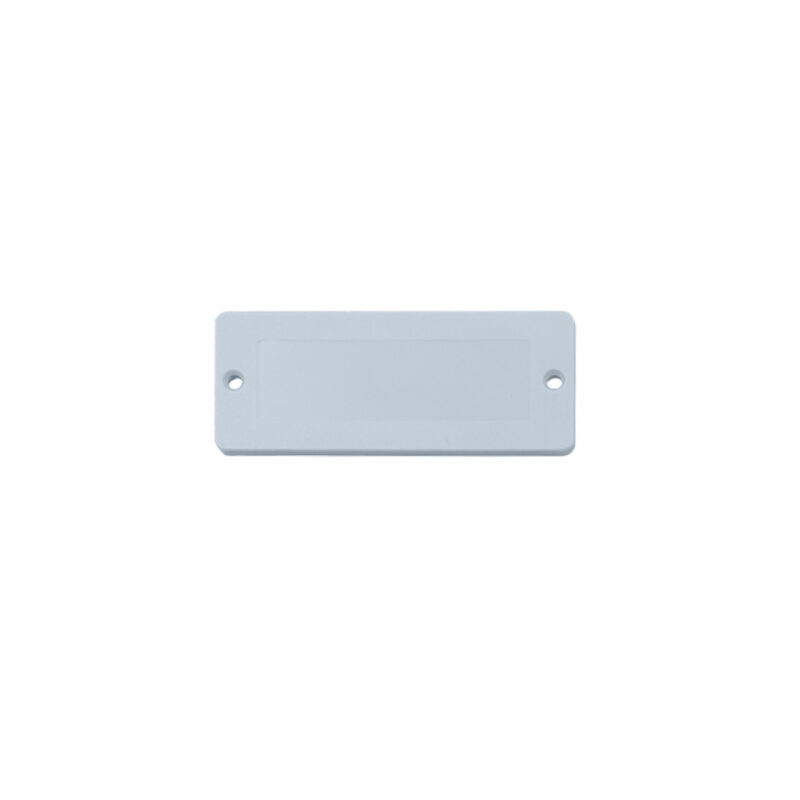
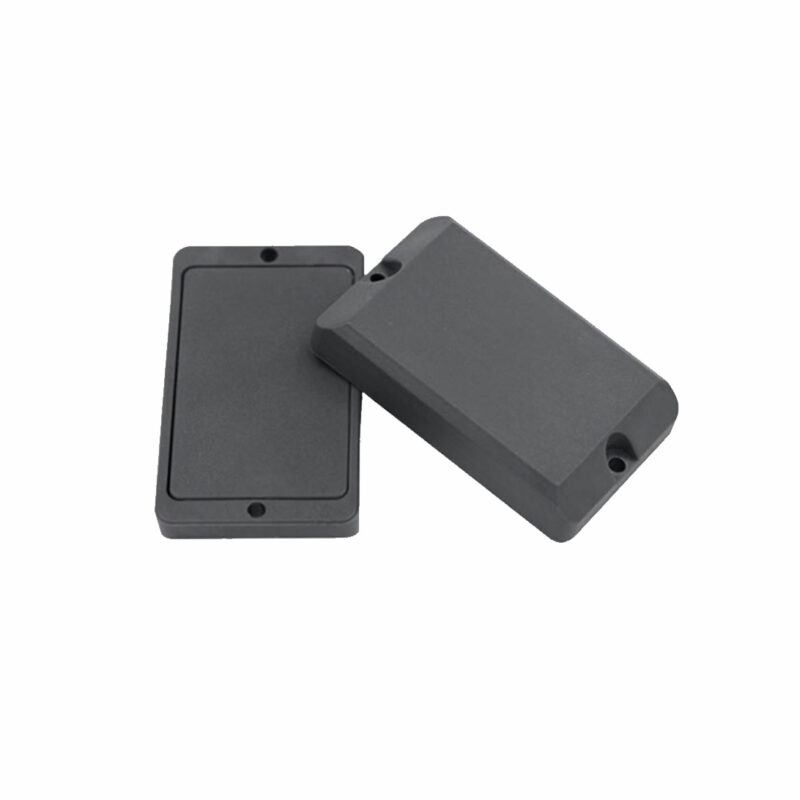
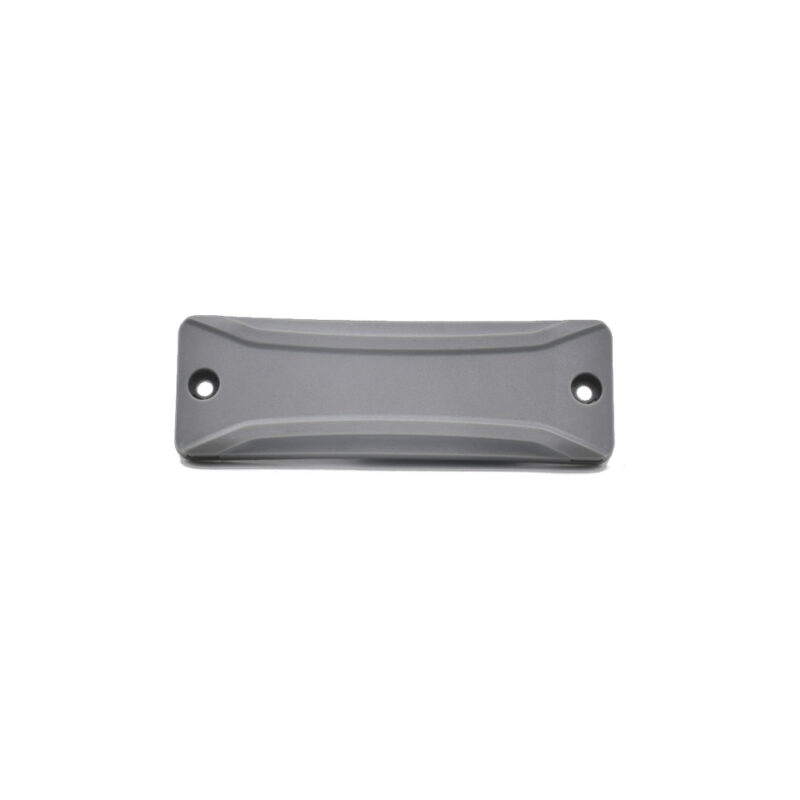
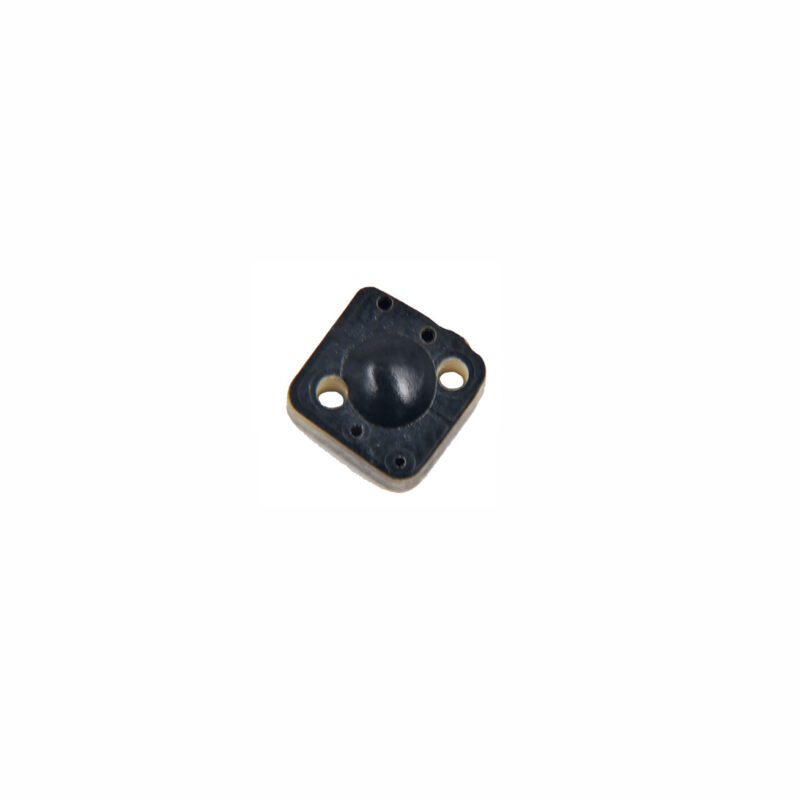
Standard RFID labels may perform poorly when attached directly to metal. RSTC provides on-metal, PCB, screw-mounted, high-temperature, and high-protection UHF RFID tags for machinery, tools, equipment, containers, and other metal assets.
Tag size, mounting method, read range, temperature resistance, and protection level vary by model.
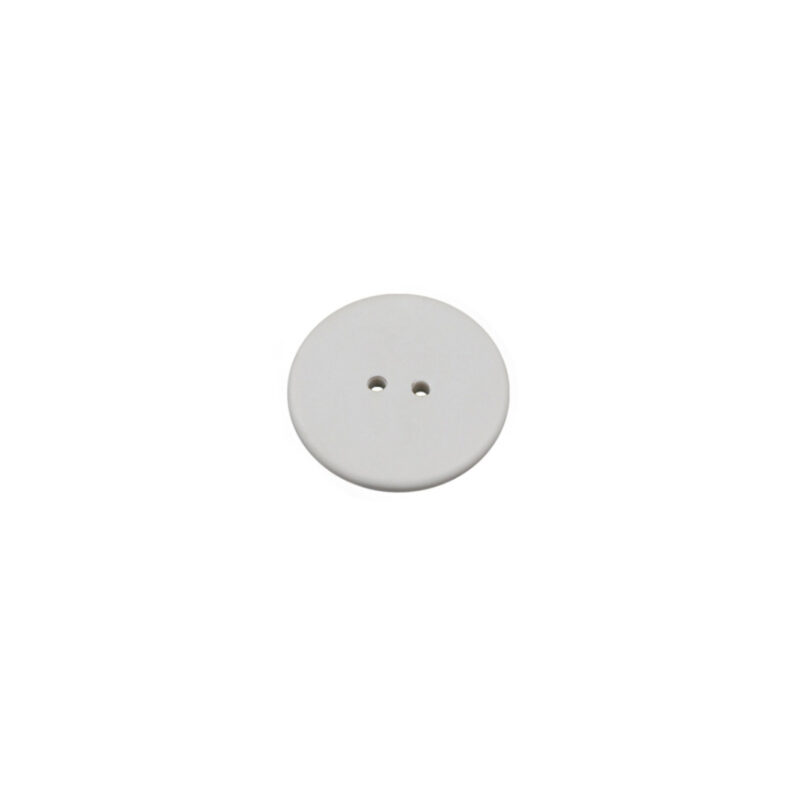
Flexible fabric and button-style laundry tags are designed for linens, uniforms, towels, and workwear. They support automated sorting, inventory counting, washing-cycle tracking, and textile lifecycle management.
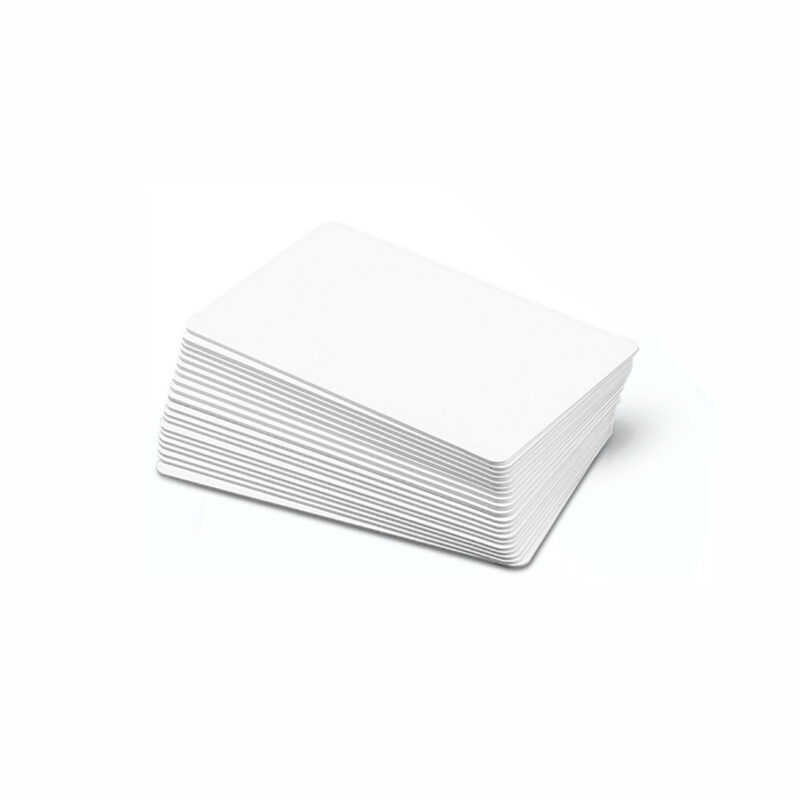
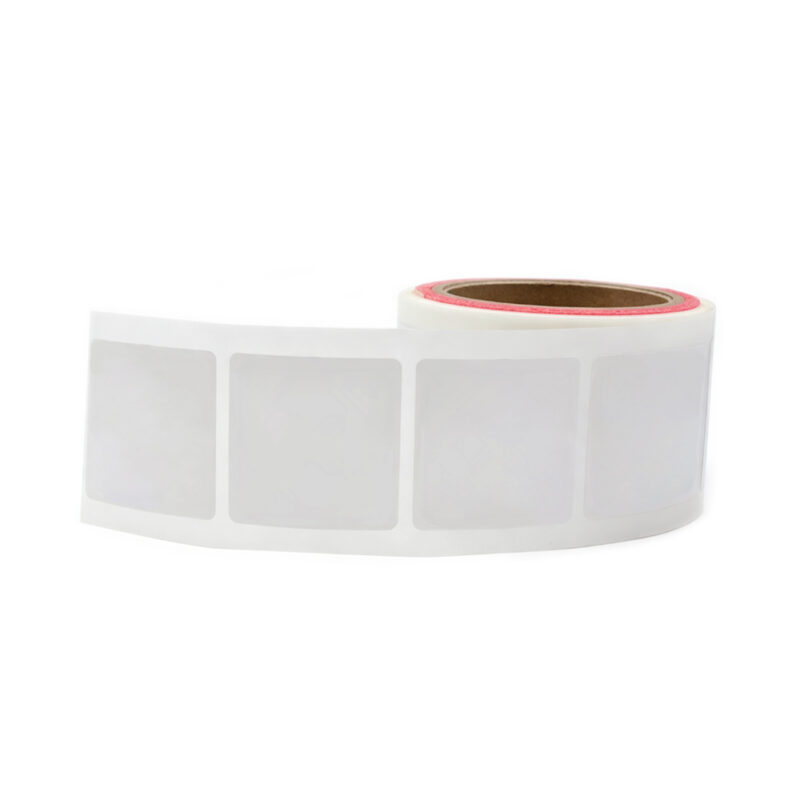
RSTC offers fragile windshield labels for vehicle identification, EPC Gen2 adhesive labels for general item tracking, and PVC/PET RFID cards for identification applications.
A UHF adhesive RFID label tag is suitable for clean, flat surfaces such as cartons, packaging, documents, and selected assets.
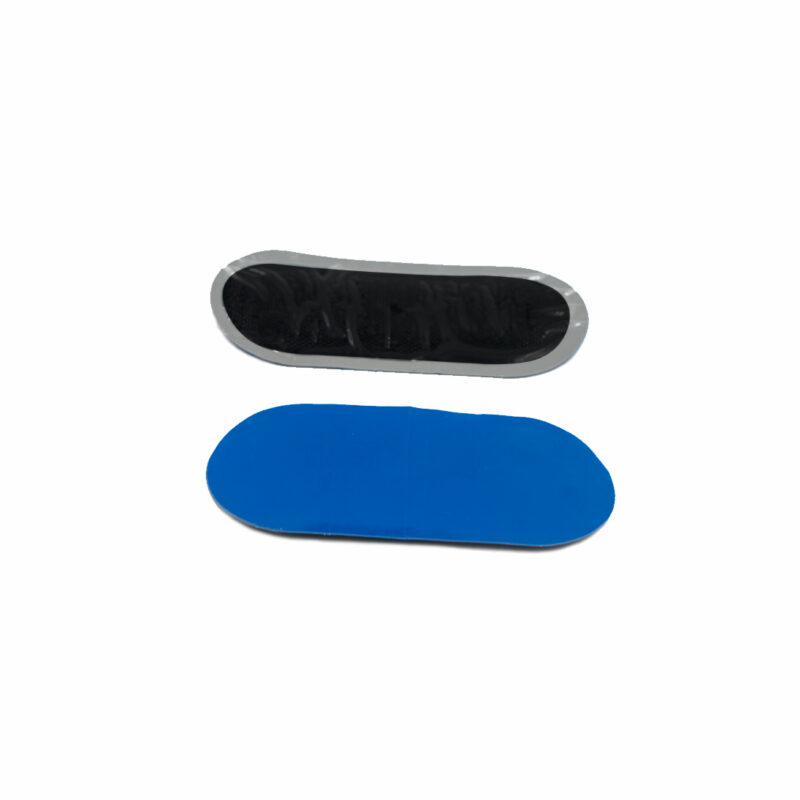
External tire patch tags provide a unique RFID identity for tires throughout manufacturing, warehousing, transportation, installation, and maintenance.
Tag selection should consider the tire surface, attachment method, operating conditions, and required read range.
The right UHF RFID tag depends on the tagged object, mounting surface, operating environment, and installation method. Please reach our sales person to support your selection.
Tracking Requirement | Typical UHF RFID Tag | Key Selection Factors |
Metal Assets & Equipment | On-metal, PCB, or screw RFID tag | Metal compatibility, mounting space, installation method, protection level, and read range |
High-Temperature Industrial Assets | High-temperature on-metal RFID tag | Operating temperature, heat exposure, surface material, and mounting method |
Laundry & Textile Management | Flexible fabric or button laundry tag | Washing durability, heat resistance, flexibility, and attachment method |
Vehicle Identification | Fragile windshield RFID label | Glass compatibility, installation position, read direction, and tamper-evident requirements |
Packaging & General Items | UHF adhesive RFID label tag | Surface material, adhesive type, printing, encoding, and label size |
Identification Cards | EPC Gen2 PVC/PET RFID card | Card material, chip compatibility, printing, and system requirements |
Tire Tracking | External UHF tire patch tag | Tire surface, attachment process, operating conditions, and required read range |
Choosing the right UHF RFID tag depends on the tagged material, installation method, operating environment, required read range, and data requirements. Evaluating these factors together helps improve read performance, durability, and compatibility with the complete RFID system.
Determine whether the tag will be attached to metal, glass, fabric, rubber, plastic, or cardboard. Installation methods may include adhesive mounting, sewing, heat pressing, screws, rivets, or external patching.
Consider temperature, moisture, dust, chemicals, vibration, cleaning processes, and outdoor exposure. Industrial applications may require high-temperature or high-protection tags rather than standard adhesive labels.
Actual read range depends on the tag design, reader power, antenna, tag orientation, mounting surface, and surrounding environment. The tag must also match the reader’s frequency band and RFID protocol.
Projects may require EPC encoding, serial numbers, barcodes, QR codes, logos, or customized packaging. Sample testing is recommended before placing a bulk order.
When comparing UHF RFID tag manufacturers, customers should consider product suitability, system compatibility, customization capabilities, and testing support—not only unit price.
As a UHF RFID tag supplier, RSTC provides tags for metal assets, industrial equipment, laundry, vehicles, tires, packaging, and other identification applications. Compatible readers, antennas, and integration support are also available to help simplify RFID system deployment.
Depending on the product and project requirements, customization may include chip selection, printing, serial numbers, barcodes, QR codes, EPC encoding, and packaging.
Use an on-metal, PCB, or screw RFID tag designed to reduce interference from metallic surfaces. RSTC offers high-protection on-metal tags, industrial PCB tags, small PCB tags, screw tags, and high-temperature on-metal tags for different mounting spaces and operating environments.
Yes, but the tag must be designed for the specific environment. RSTC provides high-temperature and high-protection on-metal tags, as well as flexible fabric and button-style laundry tags. Operating temperature, protection rating, washing resistance, and attachment method should be checked for each model.
Read range varies depending on the tag design, chip, reader power, antenna, tag orientation, mounting surface, and operating environment. RSTC recommends testing samples on the actual tagged object and with the intended RFID system before deployment.
Yes. Customers looking to buy UHF RFID tags in bulk can contact RSTC to confirm the suitable model, chip, quantity, encoding, printing, packaging, and delivery requirements before mass production.
Depending on the tag model and project requirements, RSTC can evaluate options such as chip selection, logos, barcodes, QR codes, serial numbers, EPC encoding, printing, and packaging. Sample specifications should be confirmed before bulk production.
As an experienced RFID manufacturer, RSTC provides RFID tags, readers, antennas, and system solutions for industrial tracking applications.