
As an experienced RFID reader manufacturer and supplier in China, RSTC offers active and passive RFID readers for warehouse management, logistics, manufacturing, and asset tracking applications.
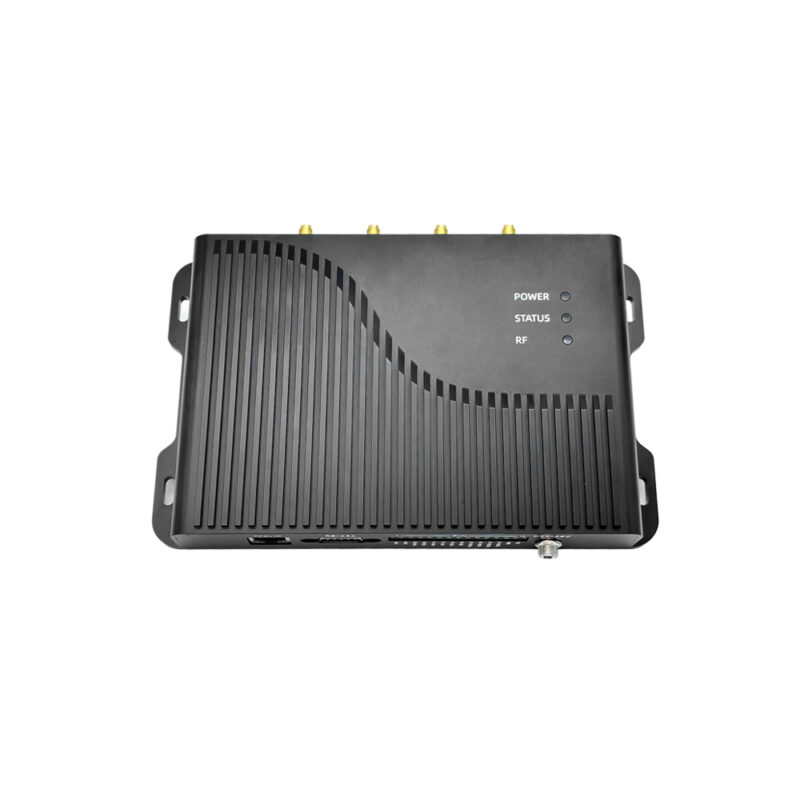
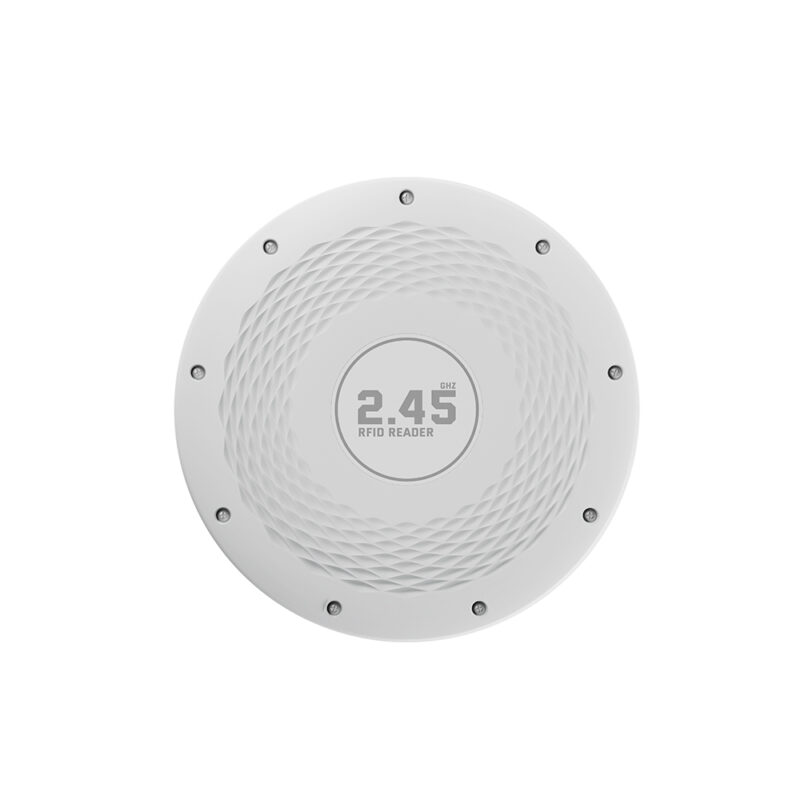
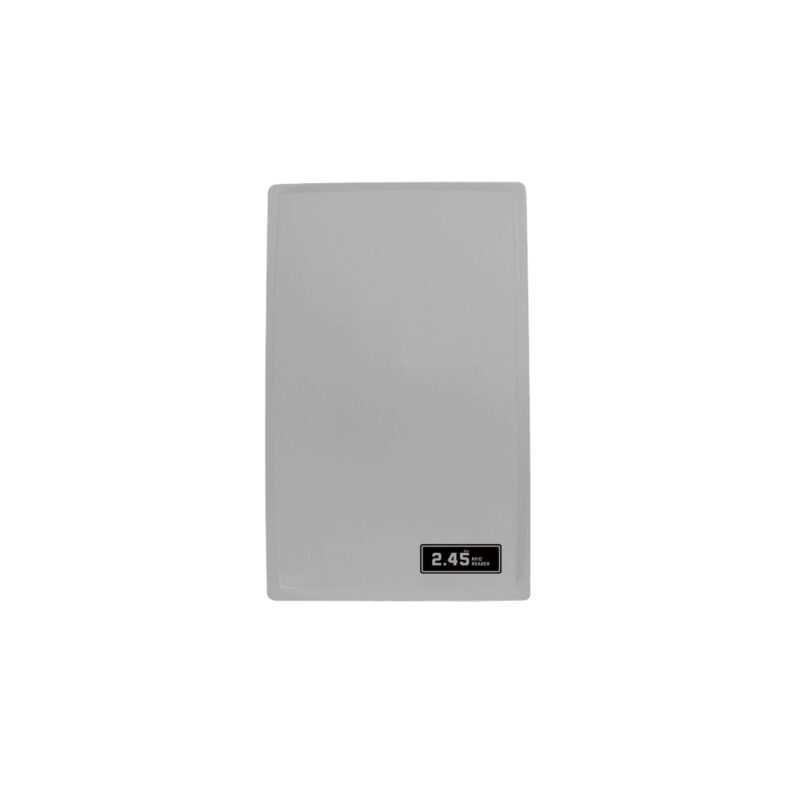
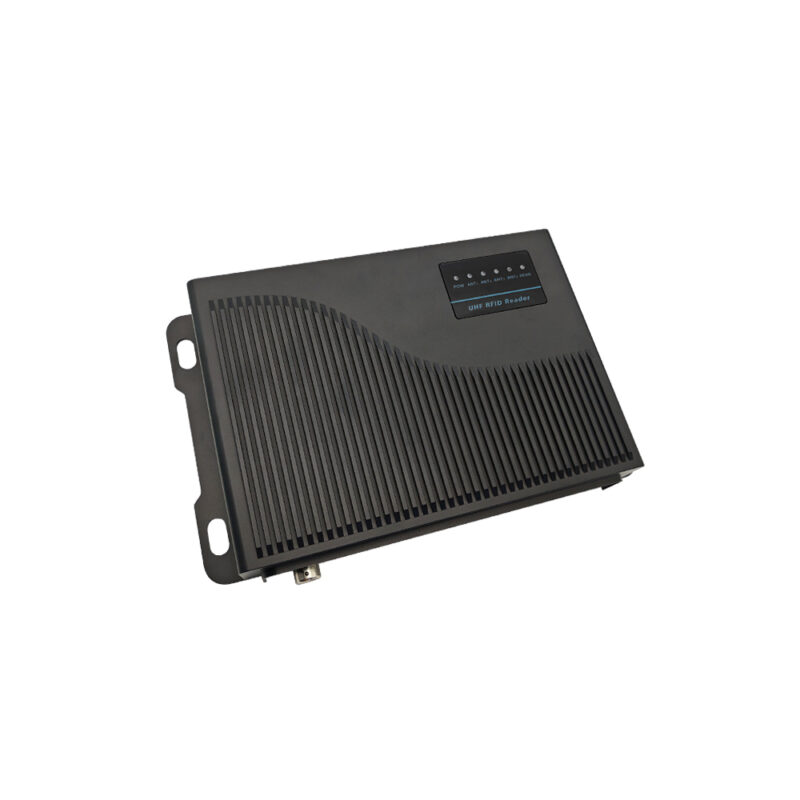
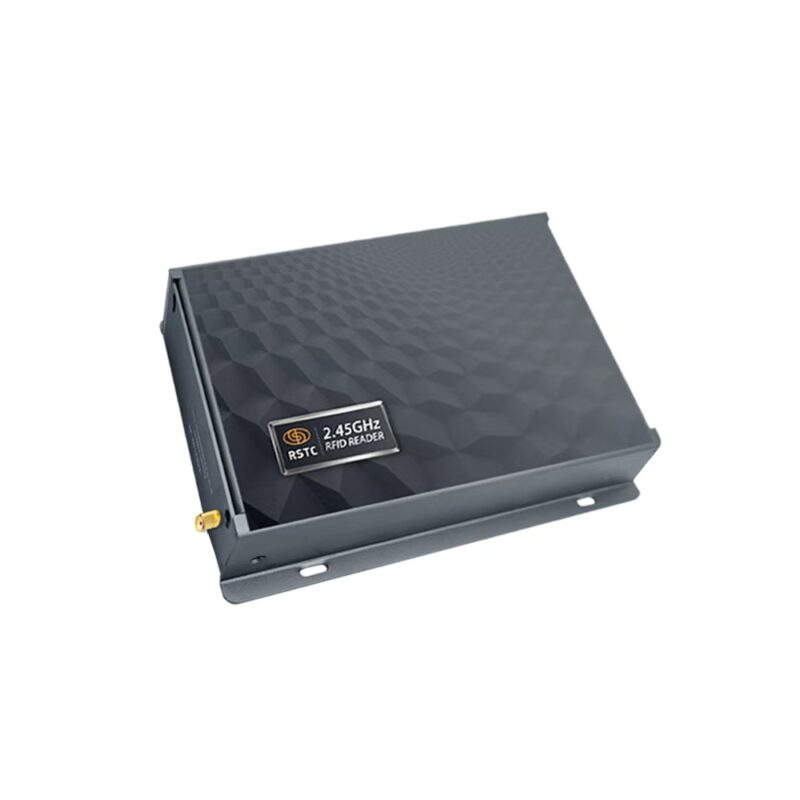
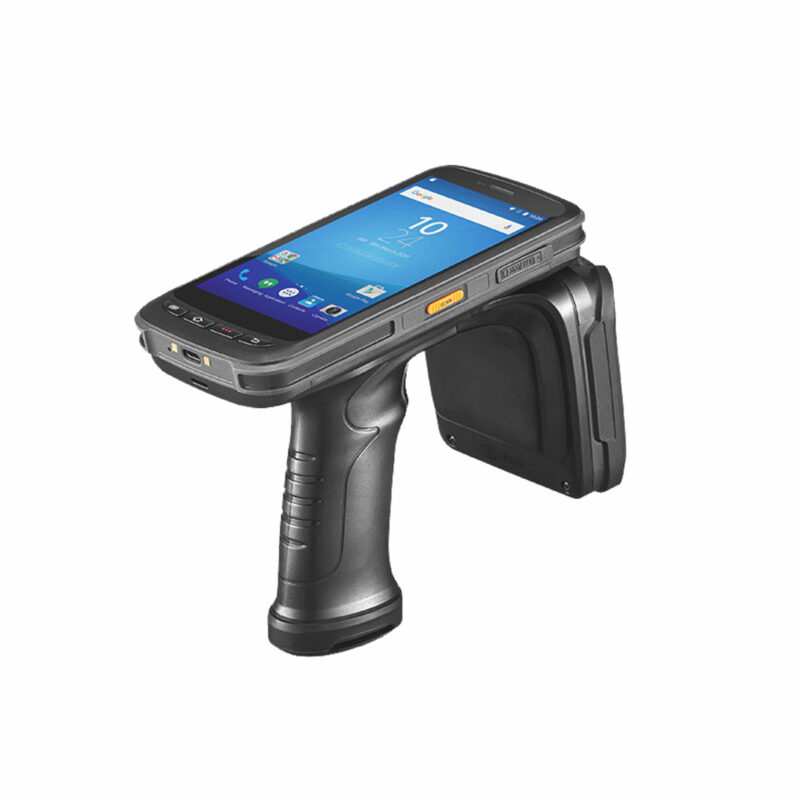
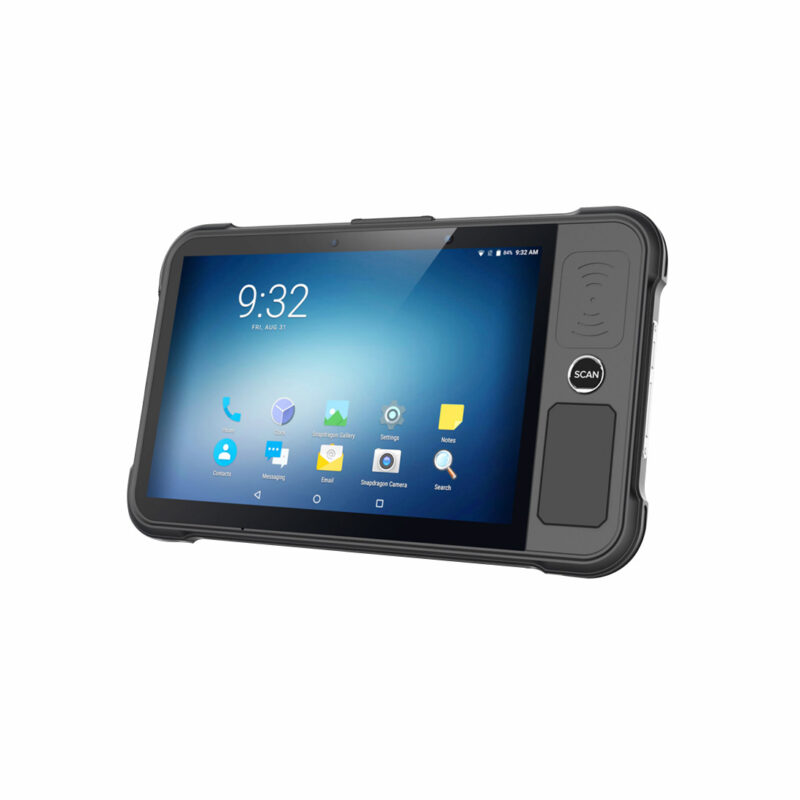
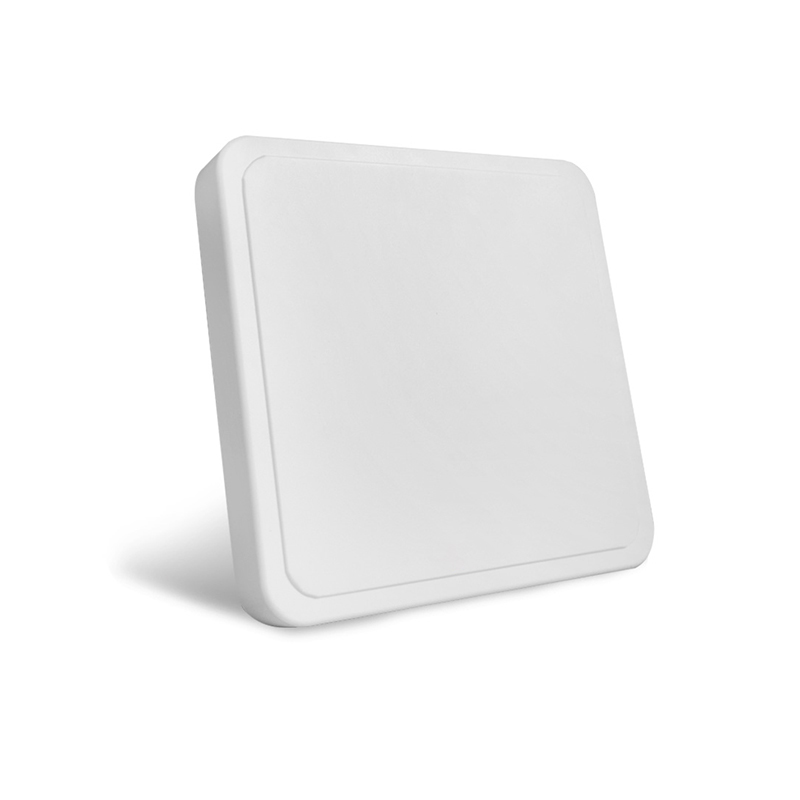
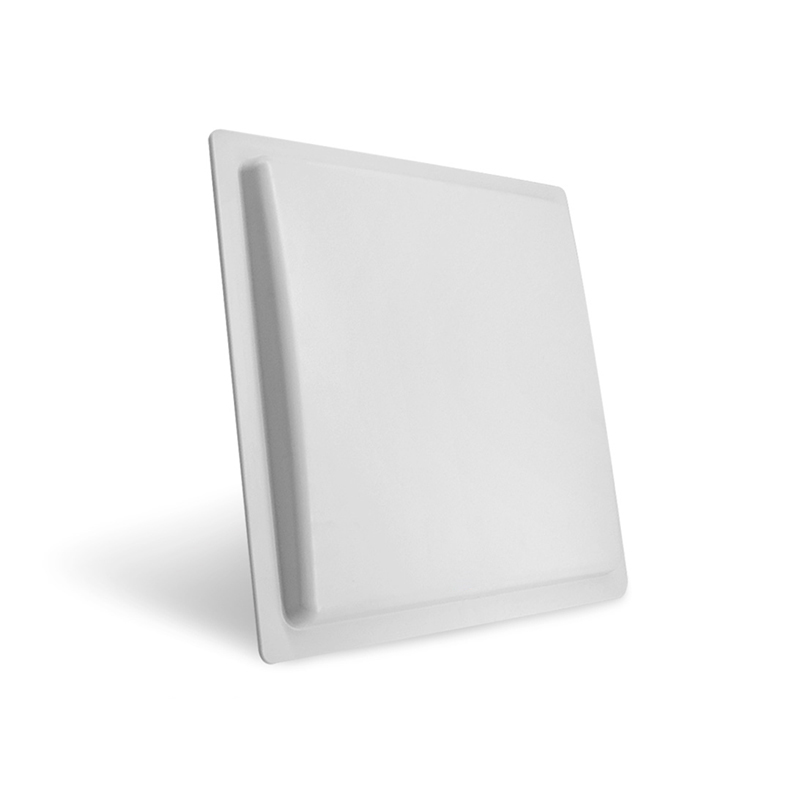
RFID readers are devices that communicate with RFID tags to automatically identify and collect data without direct contact or line-of-sight scanning. They play a key role in RFID systems by enabling fast, accurate tracking of assets, inventory, vehicles, equipment, and personnel across various industries.
RSTC RFID readers are designed for reliable performance in demanding environments, offering stable reading capabilities, flexible deployment options, and seamless integration with existing systems. RSTC's comprehensive solutions—from handheld to long-range readers—deliver real-time visibility, automated accuracy, and streamlined operations across diverse industries.
RFID readers can be classified based on their installation method and communication technology. RSTC offers a diverse range of RFID readers to support different tracking requirements, deployment environments, and operational needs.
Fixed RFID readers are designed for permanent installation at warehouse entrances, conveyor systems, production lines, access control points, and other automated tracking locations. They provide continuous RFID data collection and are widely used in logistics, industrial automation, and inventory management applications.
Handheld RFID readers offer greater mobility and flexibility for inventory counting, asset inspections, field operations, and on-site data collection. They are commonly used when RFID tracking needs to be performed across multiple locations without fixed infrastructure.
Passive RFID readers communicate with battery-free RFID tags and are commonly used in inventory management, warehousing, logistics, retail, and asset identification applications. They provide a cost-effective solution for high-volume RFID deployments.
Active RFID readers communicate with battery-powered RFID tags, enabling longer reading distances and real-time tracking capabilities. They are commonly used for vehicle identification, personnel tracking, high-value asset management, and large-area monitoring applications.
RFID readers play a critical role in modern tracking and automation systems. From inventory management and asset tracking to logistics, manufacturing, and access control, RFID readers help organizations improve visibility, reduce manual processes, and make faster, data-driven decisions.
Application Area | Typical Use | Key Benefits |
Inventory Management | Track inventory movement, automate stock counting, and improve inventory visibility across warehouses and retail environments. | Improved inventory accuracy, reduced manual labor, faster stock audits. |
Warehouse & Logistics | Monitor goods movement across warehouses, distribution centers, and logistics networks using RFID readers. | Enhanced traceability, real-time visibility, improved operational efficiency. |
Asset Tracking | Track equipment, tools, containers, and other valuable assets throughout their lifecycle. | Reduced asset loss, improved utilization, simplified asset management. |
Manufacturing & Industrial Automation | Monitor work-in-progress (WIP), production assets, and materials throughout manufacturing processes. | Improved production visibility, optimized workflows, enhanced traceability. |
Vehicle Identification & Access Control | Automatically identify vehicles at entrances, exits, parking facilities, and logistics yards using long-range RFID readers. | Faster access control, reduced waiting times, improved operational efficiency. |
Personnel Management | Support employee identification, attendance management, and controlled access applications. | Improved security, automated attendance tracking, streamlined workforce management. |
IT Asset Management | Track computers, servers, and other critical assets in offices, campuses, and data centers. | Real-time asset visibility, reduced human error, simplified audits. |
Selecting the right RFID reader depends on your application requirements, tracking objectives, operating environment, and system architecture. Understanding these factors can help you identify the most suitable RFID solution for your business.
Start by identifying what needs to be tracked and how the RFID system will be used. Inventory management, asset tracking, vehicle identification, personnel management, and industrial automation applications often require different RFID reader configurations.
Choose the RFID reader type based on how and where data will be collected. Fixed RFID readers are ideal for automated monitoring at entrances, production lines, warehouses, and other designated locations. Handheld RFID readers provide greater flexibility for inventory counting, asset audits, and field operations.
Different RFID technologies are designed for different tracking requirements. UHF RFID readers are widely used for inventory management, logistics, and asset tracking due to their longer read range and fast data collection capabilities. Active RFID readers are often selected for long-range tracking, vehicle identification, and real-time monitoring applications.
The required reading distance is one of the most important factors when selecting an RFID reader. Short-range applications may only require close-proximity scanning, while warehouse portals, vehicle access control systems, and large-scale tracking projects often require readers capable of longer read distances.
Consider environmental factors such as dust, moisture, temperature fluctuations, vibration, and outdoor exposure. Industrial RFID readers are designed to deliver reliable performance in demanding operating conditions and harsh environments.
Ensure the RFID reader can integrate smoothly with your existing RFID infrastructure, software platforms, ERP systems, WMS platforms, or other business management systems to support efficient data collection and operational visibility.
Yes. Modern RFID readers can identify and process multiple RFID tags simultaneously using anti-collision technology. RSTC RFID readers are designed to support fast and reliable multi-tag reading across a wide range of industrial environments.
The number of RFID readers required depends on factors such as facility size, coverage area, read points, asset movement patterns, and operational objectives. Smaller deployments may only require a few readers, while larger warehouses, manufacturing facilities, and logistics centers often require multiple readers to achieve complete visibility. RSTC can help evaluate your application requirements and recommend an appropriate RFID reader deployment strategy.
RFID reader performance can be influenced by tag type, antenna configuration, installation location, reading distance, environmental conditions, metal surfaces, liquids, and electromagnetic interference. Proper system design and testing help ensure reliable RFID performance.
Yes. Many industrial RFID readers are designed for outdoor applications such as vehicle identification, access control, yard management, and logistics operations. RSTC provides industrial RFID readers for both indoor and outdoor deployment scenarios.
The right RFID reader depends on your tracking objectives, required reading distance, operating environment, installation method, and RFID technology. As a trusted RFID reader manufacturer with over 10 years of industry experience, RSTC can help evaluate your application requirements and recommend a suitable RFID solution based on your specific needs.
As an experienced RFID manufacturer, RSTC provides RFID tags, readers, antennas, and system solutions for industrial tracking applications.