
RSTC provides industrial UHF RFID readers for inventory management, asset tracking, logistics, vehicle identification, and manufacturing applications. Designed for reliable long-range reading and fast data capture, our readers help improve operational visibility and efficiency.
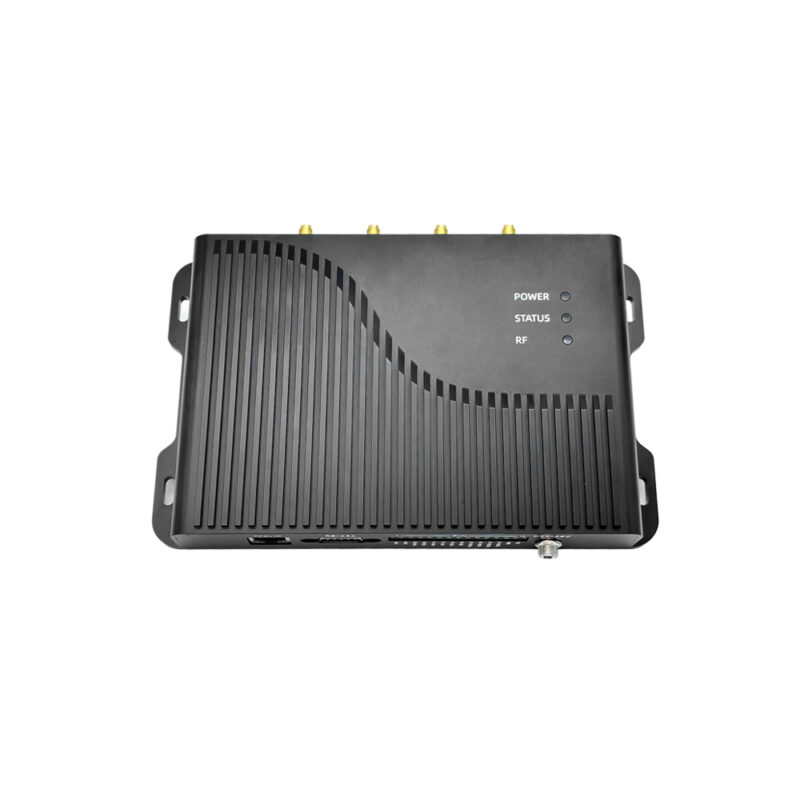
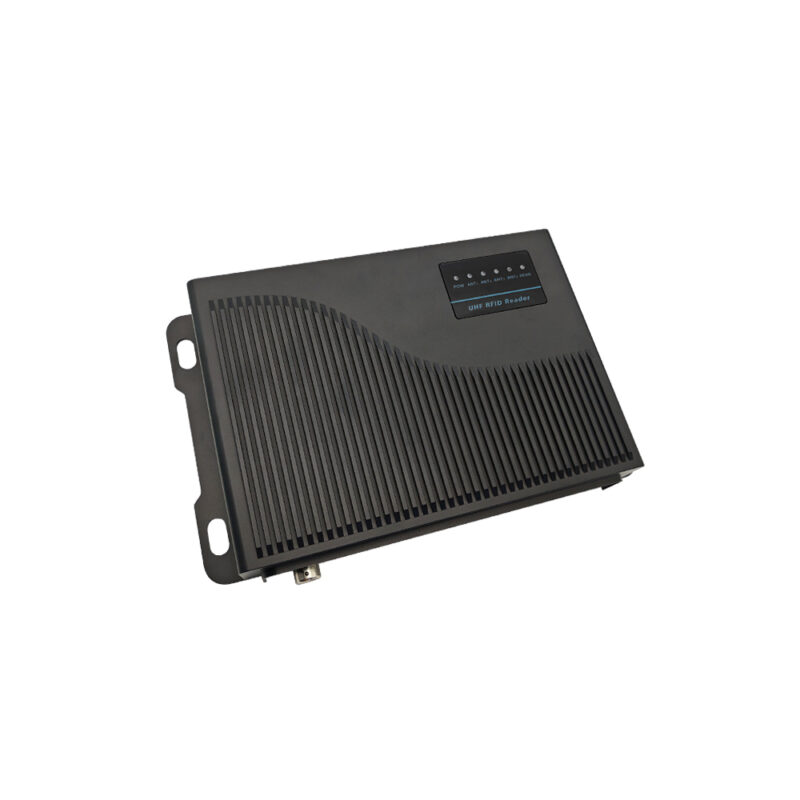
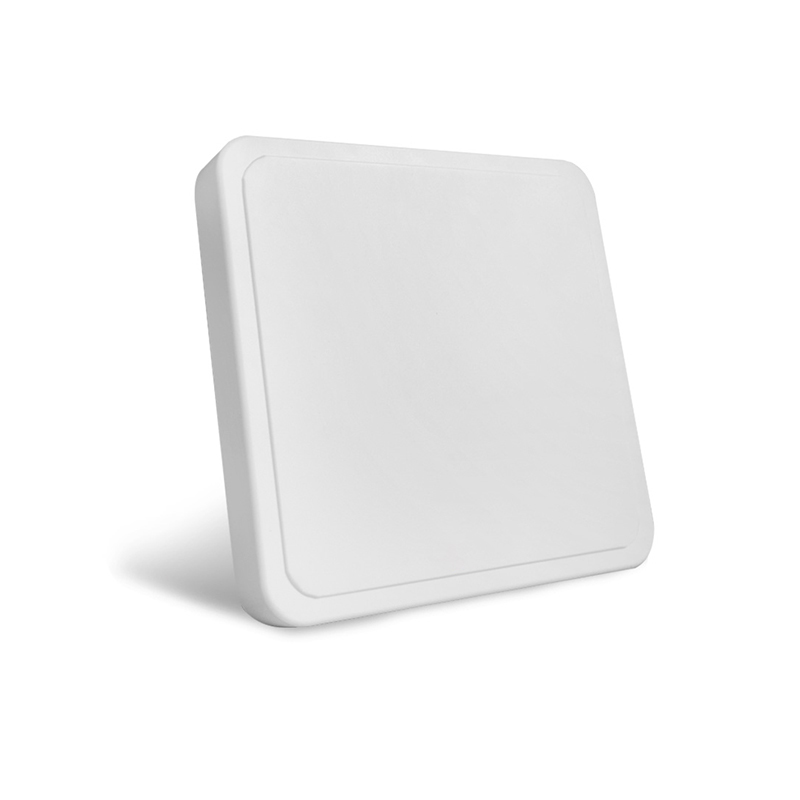
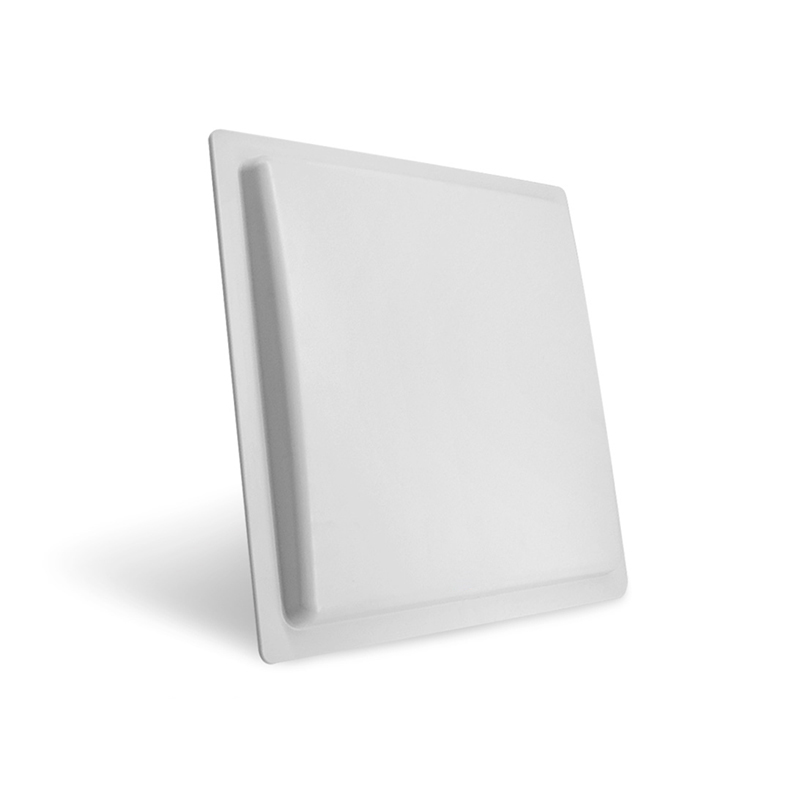
Ultra High Frequency (UHF) RFID readers use radio frequency communication to identify and collect data from RFID tags. They provide long reading distances, fast data transmission, and the ability to read multiple tags simultaneously, making them an efficient solution for automated identification and data collection.
RSTC UHF RFID readers are engineered for reliable operation in demanding industrial environments. Featuring stable long-range performance, high-speed tag processing, flexible connectivity options, and seamless system integration, they help improve data accuracy, operational visibility, and workflow efficiency across a wide range of RFID applications.
UHF RFID readers are widely used across industries to automate identification, tracking, and data collection processes. With our UHF RFID readers, you can improve inventory accuracy, reduce manual labor, increase operational visibility, and streamline asset and workflow management through fast, accurate, and long-range RFID data capture.
Application Area | Typical Use | Key Benefits |
Warehouse & Inventory Management | Real-time inventory tracking, stock verification, and warehouse automation using UHF RFID readers. | Improved inventory accuracy, faster stock audits, reduced labor costs. |
Logistics & Supply Chain Management | Tracking goods movement across warehouses, distribution centers, and transportation networks. | Enhanced traceability, improved visibility, reduced operational delays. |
Vehicle Identification & Access Control | Automated vehicle identification at entrances, exits, parking facilities, and logistics yards. | Faster access control, reduced waiting time, improved operational efficiency. |
Intelligent Weighing Systems | Linking RFID-tagged vehicles or cargo with weighbridge and logistics management systems. | Automated data collection, improved weighing accuracy, streamlined workflows. |
IT Asset Management | Tracking computers, servers, equipment, and other valuable assets in offices and data centers. | Reduced human error, real-time asset visibility, simplified audits. |
Industrial Manufacturing | Monitoring work-in-progress (WIP), production assets, and finished goods throughout manufacturing processes. | Improved production visibility, optimized workflows, enhanced traceability. |
Fleet & Yard Management | Managing vehicle movements, container locations, and equipment across large industrial sites. | Better asset utilization, improved operational control, real-time tracking. |
Selecting the right UHF RFID reader depends on your application requirements, installation environment, and system architecture. Understanding the following factors can help ensure reliable performance and long-term scalability.
Consider the required read range for your application. Long-range UHF RFID readers are commonly used in vehicle identification, yard management, and large-area asset tracking, while shorter-range configurations are suitable for warehouse and inventory operations.
Fixed UHF RFID readers are ideal for permanent installations such as warehouse entrances, conveyor systems, production lines, and access control points. The installation method should align with your operational workflow and coverage requirements.
Applications involving large volumes of tagged items require readers capable of fast and accurate multi-tag processing. High-performance readers help improve efficiency in logistics, manufacturing, and inventory management environments.
Industrial environments may expose RFID equipment to dust, moisture, vibration, or temperature fluctuations. Industrial UHF RFID readers are designed to provide stable performance in demanding operating conditions.
Ensure the RFID reader can integrate smoothly with your existing RFID infrastructure, software platforms, and business management systems to support efficient data collection and operational visibility.
The reading distance of a UHF RFID reader depends on factors such as reader power, antenna type, RFID tag performance, and the surrounding environment. Compared with LF and HF RFID systems, UHF RFID readers typically provide longer read ranges, making them ideal for warehouse management, logistics tracking, vehicle identification, and industrial automation applications. RSTC UHF RFID readers support stable long-range reading performance when paired with suitable antennas and RFID tags.
It depends on how you plan to use the system. Fixed UHF RFID readers are commonly installed at dock doors, conveyor lines, production stations, and access points for automated data collection. Handheld RFID readers are better suited for inventory counting, asset inspections, and mobile operations where flexibility is required.
Yes. UHF RFID readers are designed to read multiple RFID tags simultaneously using anti-collision technology. This allows large numbers of tagged items to be identified quickly, improving efficiency in inventory management, logistics, manufacturing, and asset tracking applications.
Yes. Industrial UHF RFID readers are built for demanding environments where dust, vibration, temperature changes, and continuous operation are common. Choosing the right reader, antenna, and installation setup helps ensure reliable performance in factories, warehouses, and other industrial facilities.
The best UHF RFID reader depends on factors such as reading distance, installation environment, tag quantity, and integration requirements. Different applications require different reader capabilities.
As an experienced RFID UHF reader supplier, RSTC provides industrial UHF RFID readers, antennas, and RFID solutions for a wide range of applications. Our team can help recommend the right solution based on your project needs.
As an experienced RFID manufacturer, RSTC provides RFID tags, readers, antennas, and system solutions for industrial tracking applications.