
RSTC – Delivering Superior Quality in RFID Tag Manufacturing
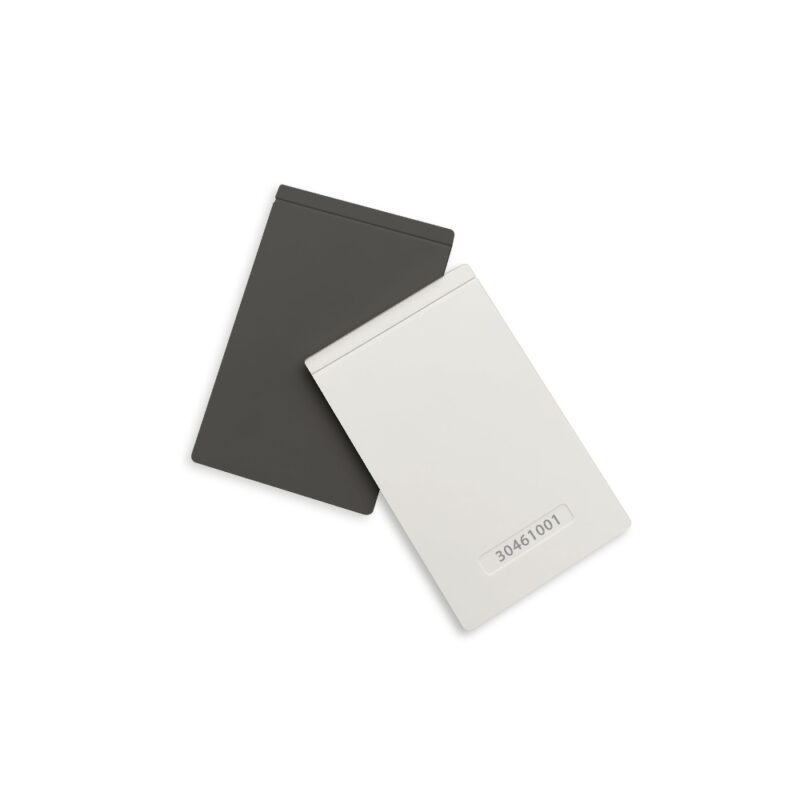
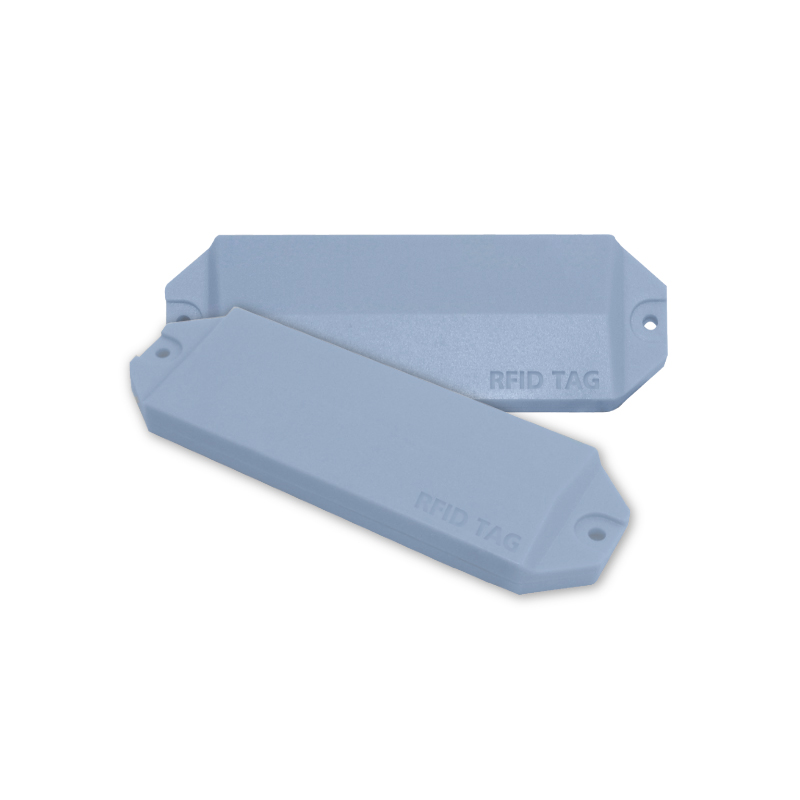
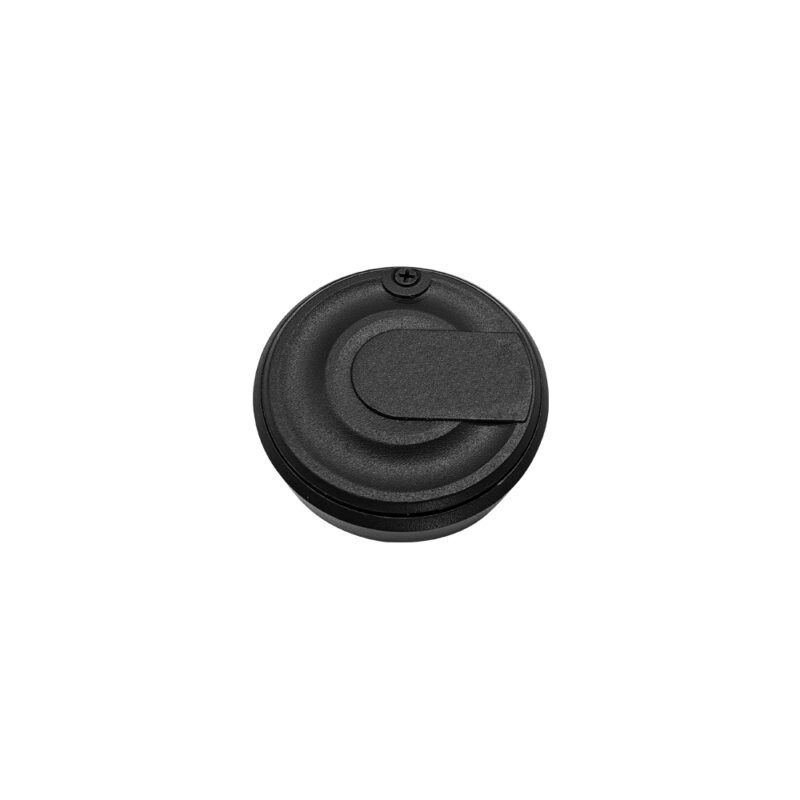
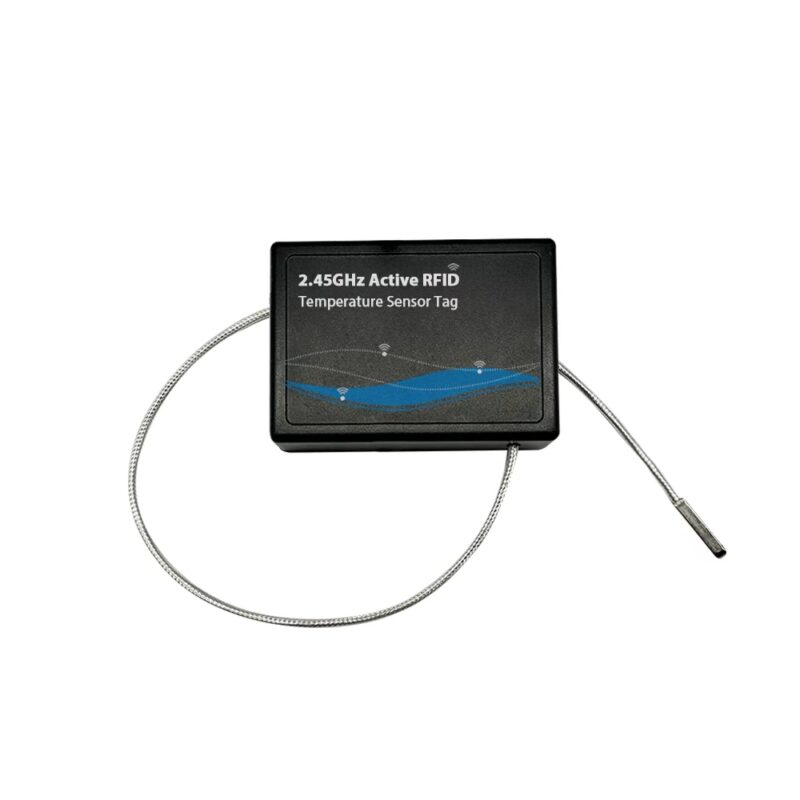


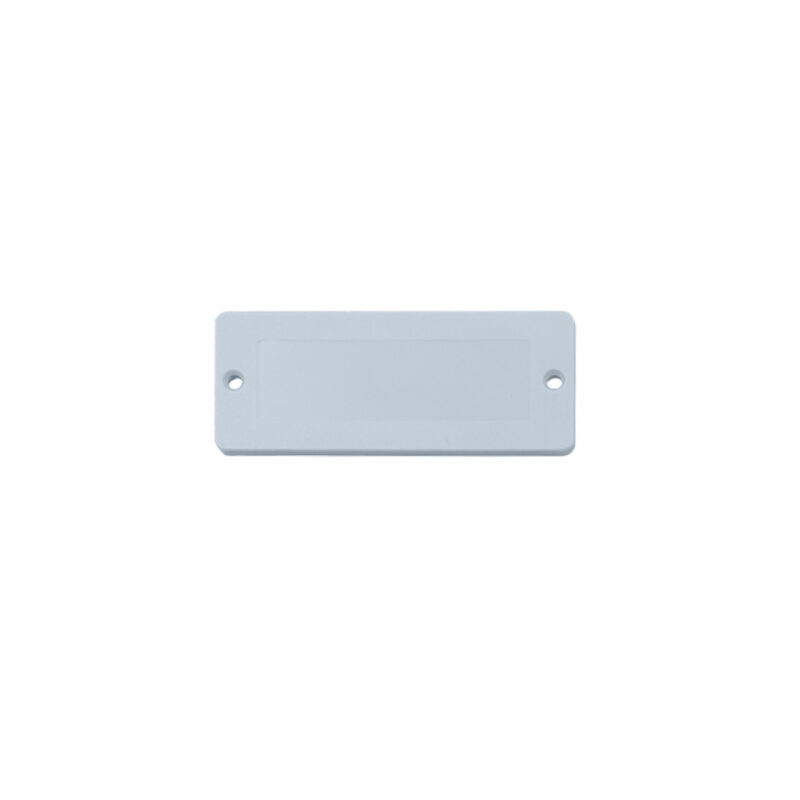

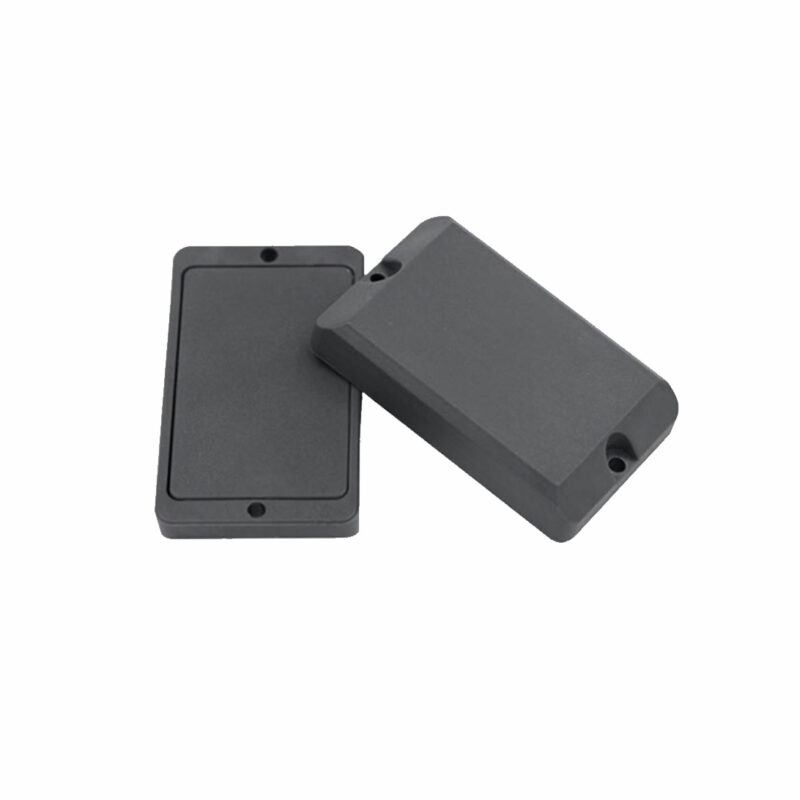
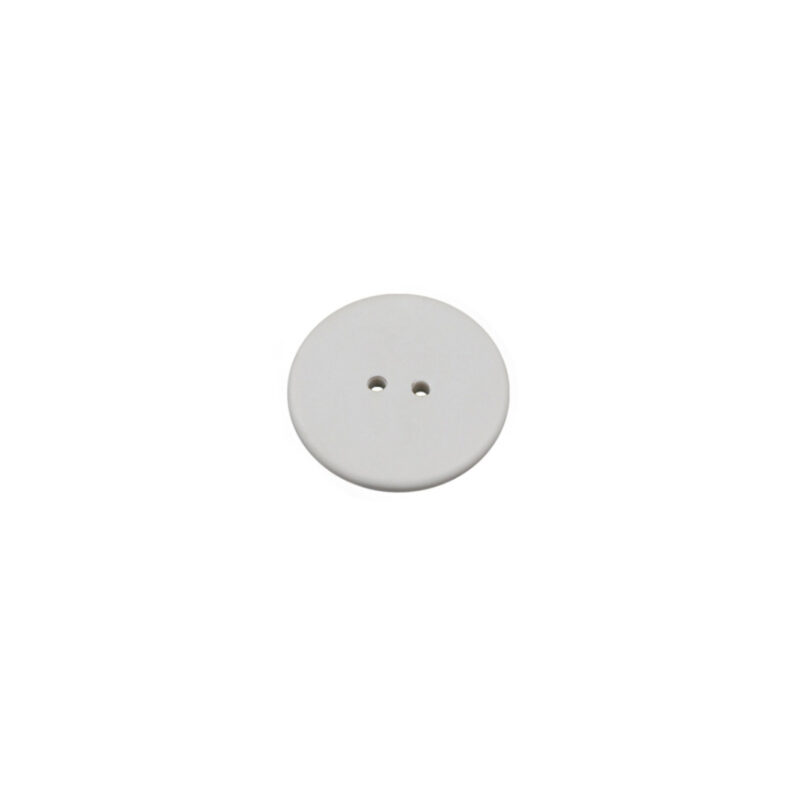
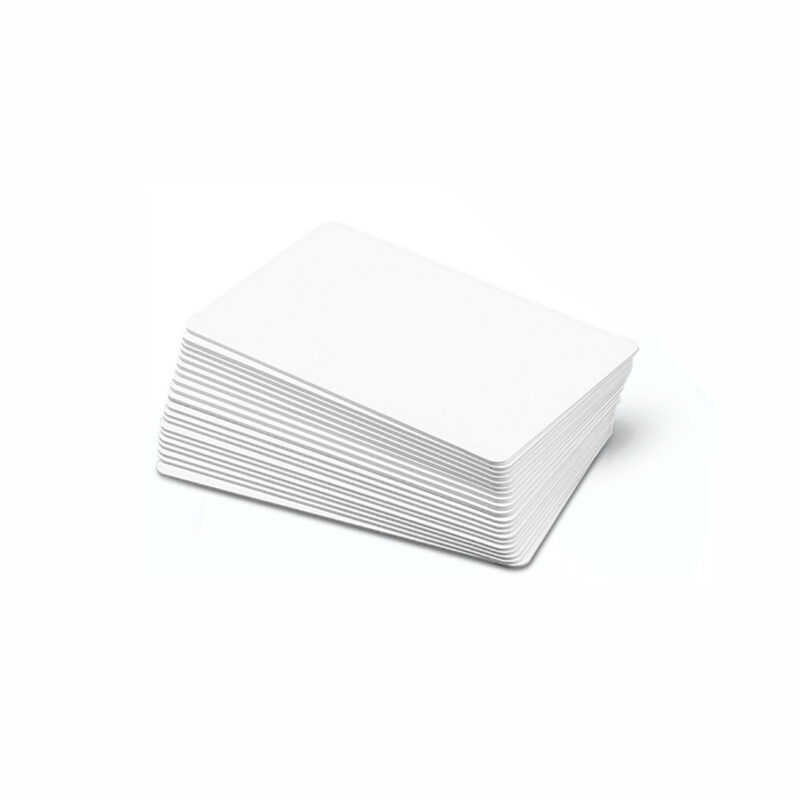
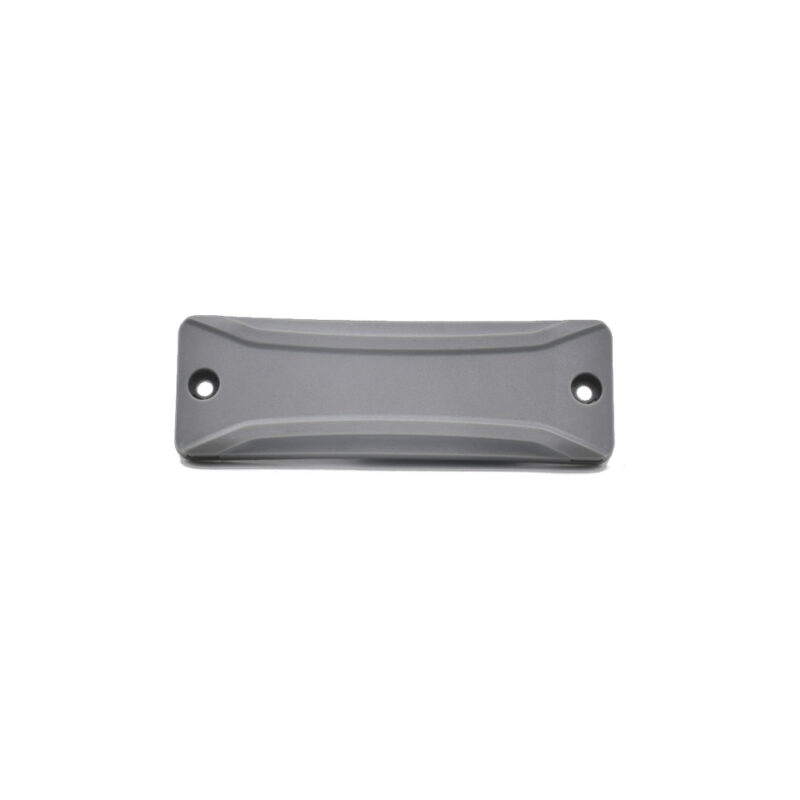
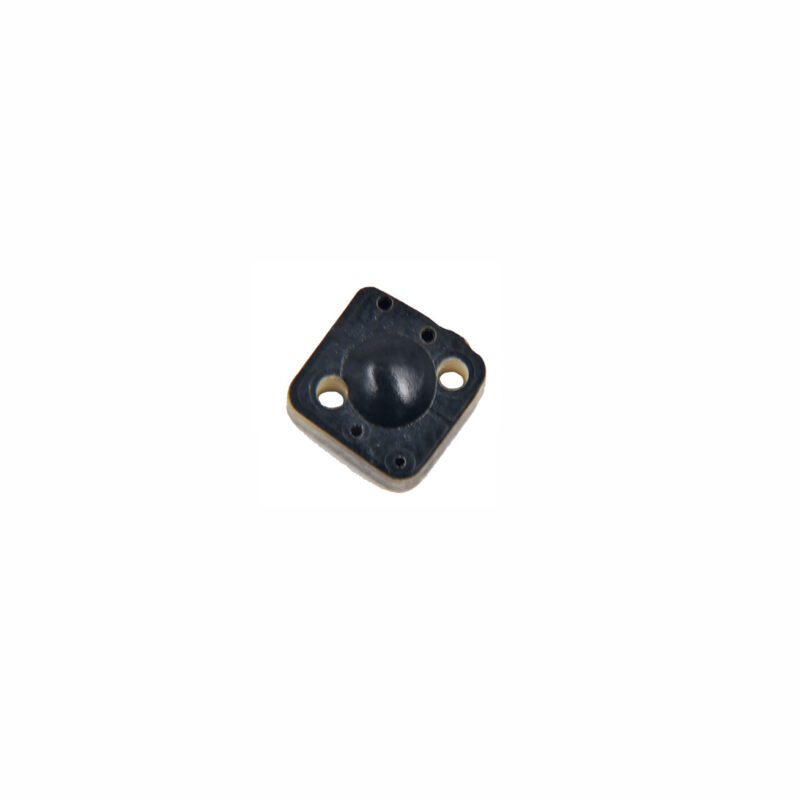
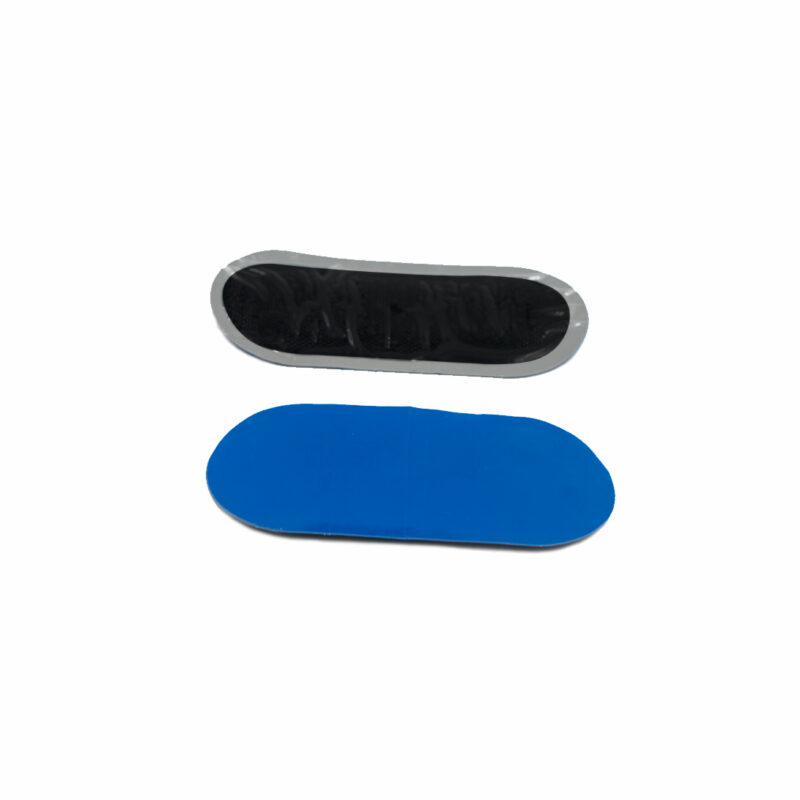
Radio Frequency Identification (RFID) tags are the backbone of the RFID system. These small, yet powerful labels can be embedded in objects to efficiently store and transmit data. Despite their compact size, the RIFD tags are essential for businesses looking to automate inventory, improve supply chain visibility, and boost operational efficiency.
Think of an RFID tag as an upgraded version of traditional barcodes, which track and manage assets in real-time. Each tag contains a microchip that stores a unique identifier and other information, and an antenna to communicate with an RFID reader. Unlike traditional barcodes that require a direct line of sight for scanning, RFID tracking tags can be read from a distance, even through non-metallic materials, making them a highly versatile and robust solution for a wide range of industries, including logistics & supply chain, retail, healthcare, automotive, aerospace, and agriculture, where precision and durability are paramount.
These tags come in various forms, from simple adhesive labels to rugged, encapsulated tags designed for harsh industrial environments. They can be passive, drawing power from the reader's radio waves, or active, with their own power source for longer read ranges. This flexibility allows for customized solutions tailored to specific tracking and management challenges.
Integrating RFID tags into your business processes can bring a multitude of benefits, leading to significant improvements in efficiency and a stronger bottom line. For B2B companies, these advantages are particularly impactful:
Enhance Inventory Management: Gain real-time visibility into your stock levels, reducing the risk of stockouts and overstock situations. The RFID tags help you track inventory accurately and automatically, which minimizes manual errors and streamlines supply chain management.
Improve Asset Tracking: Effortlessly monitor the location and movement of valuable assets, from manufacturing equipment and IT hardware to returnable transport items. These RFID tags reduce loss and theft, optimize asset utilization, and simplify audits.
Increase Operational Efficiency: Automate data capture processes, freeing up your workforce from time-consuming manual tasks. These RFID tags lead to faster receiving, picking, and shipping processes, improving overall productivity.
Greater Accuracy and Data Integrity: Eliminate the human error associated with manual data entry. The automated nature of RFID ensures that the data you collect is accurate and reliable, leading to better decision-making.
Enhance Security: Implement more robust access control systems and track the movement of sensitive materials or high-value products throughout your facility, reducing the risk of unauthorized access and theft.
Improve Traceability: In industries with strict regulatory requirements, RFID tracking tags provide a complete audit trail of a product's journey through the supply chain, ensuring compliance and enabling rapid recalls if necessary.
Selecting the right RFID solution is crucial for maximizing its benefits. When you decide to buy RFID tag technology, consider the following factors to ensure you choose the perfect fit for your B2B application:
Application Environment: The physical environment where the tags will be used is a primary consideration. Will they be exposed to extreme temperatures, moisture, chemicals, or rough handling? Choose tags with the appropriate durability and protective housing.
Tag Type: Decide between passive and active tags based on your required read range and budget. Passive tags are more cost-effective for high-volume applications with shorter read distances, while active tags are ideal for tracking high-value assets over larger areas.
Frequency: The operating frequency of the RFID system (Low Frequency, High Frequency, or Ultra-High Frequency) will impact read range, data transfer speed, and performance around different materials. A thorough analysis of your specific needs will determine the optimal frequency.
Surface Material: The material of the item being tagged can affect the performance of the RFID tag. Metal and liquids, for example, can interfere with radio waves. Specialized tags are available for such challenging applications.
Data Requirements: Consider the amount of data you need to store on the tag. Some applications may only require a unique identifier, while others may need to store additional information, such as maintenance records or product specifications.
Integration with Existing Systems: Ensure that the RFID hardware and software can be seamlessly integrated with your existing enterprise resource planning (ERP), warehouse management system (WMS), or other business management software.
By carefully evaluating these factors and partnering with a knowledgeable RFID provider, you can implement a solution that delivers a significant return on investment and drives your business forward.
RFID offers brands and retailers an incredible opportunity to optimize operations and gain deep visibility into their inventory. However, implementing RFID technology into products—along with managing performance and memory requirements—can be complex. This is why working with a trusted long range RFID tag supplier is so crucial. RSTC is a global manufacturer which specializes in RFID. We manufacture RFID tags with extensive experience and proven expertise.
RSTC RFID tag company offers tailored RFID solutions and tags to meet the specific needs of your business. We provide customizable options to ensure our products fit seamlessly into your applications, helping you improve efficiency and streamline operations. Check out the examples below of how RSTC RFID tags are applied across various industries.
| Application Area | Description |
|---|---|
| Assets Management | Flexible RFID tags enable precise tracking of assets, from office equipment to high-value machinery, reducing loss and improving accountability. Trusted by global RFID tag suppliers for enterprise use. |
| Inventory Management | RFID tags streamline inventory management by providing real-time tracking of stock levels, improving accuracy, and reducing manual errors in warehouses and retail spaces. |
| Automotive Component Tracking | In the automotive industry, RFID tags track components from suppliers to assembly lines, ensuring parts are always available when needed and production runs smoothly. |
| Industrial Manufacturing | RFID tags help monitor the movement of parts and equipment across the production floor, improving efficiency and reducing downtime. Partnering with leading RFID tag manufacturers ensures reliable performance. |
| Logistics Management | RFID tags help optimize logistics by tracking shipments in transit and providing visibility into supply chains, improving delivery times, and reducing errors. |
| Oil & Gas & Mining | RFID tags are applied in challenging environments to track equipment, manage assets in remote locations, and ensure compliance with safety regulations. |
At RSTC, we offer a wide range of RFID tags, each designed with unique features to meet specific needs. Whether you're tracking drugs, livestock, clothing, vehicles, or even people, a specific RFID tag engineered with the right features mated with the correct RFID readers will allow you to successfully track your assets.
In addition to offering RFID tags, we also provide a range of other products, including RFID labels, RFID cards, RFID readers, and RFID antennas. If you have any questions or need help finding a tag that fits your specific requirements, our team of experts at RSTC, a flexible RFID tag manufacturer, is here to assist you. Get in touch with us today!