
RSTC provides RFID labels and RFID stickers for inventory management, asset tracking, logistics, retail, and industrial applications. Our RFID label solutions support efficient identification, reliable data capture, and streamlined tracking across diverse environments.
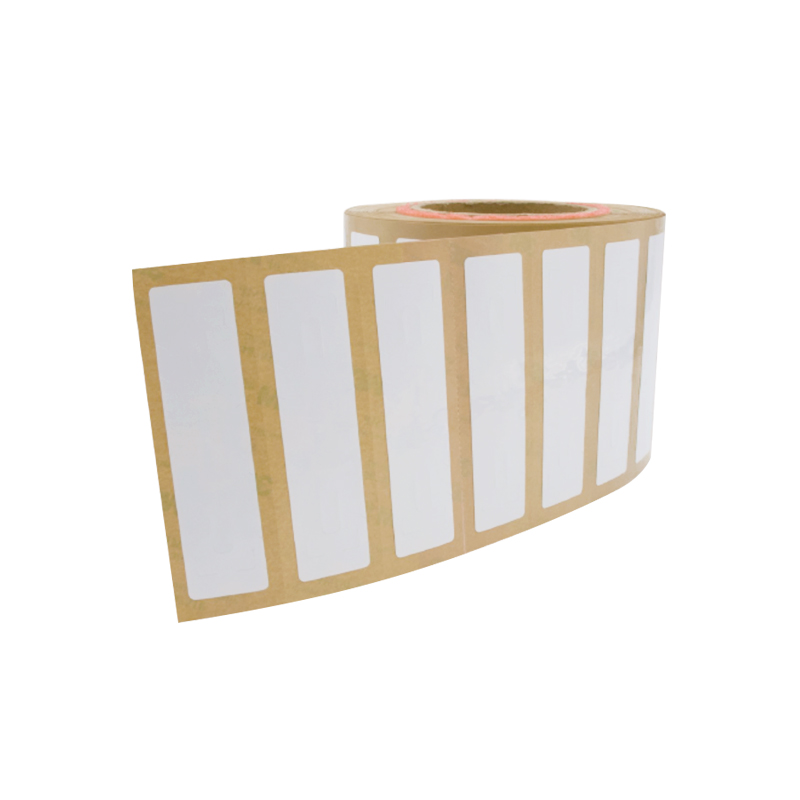
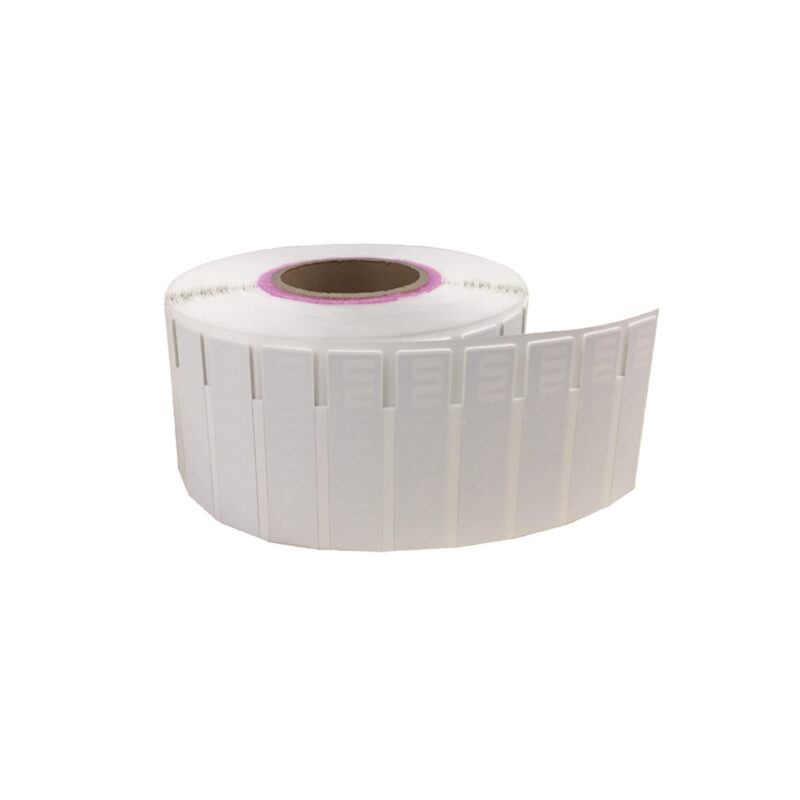
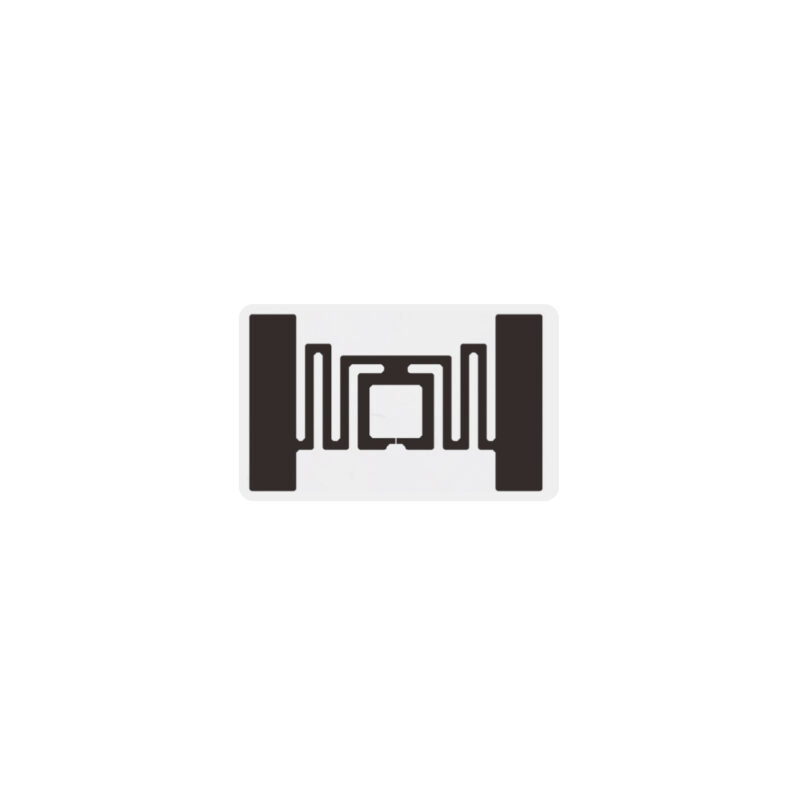
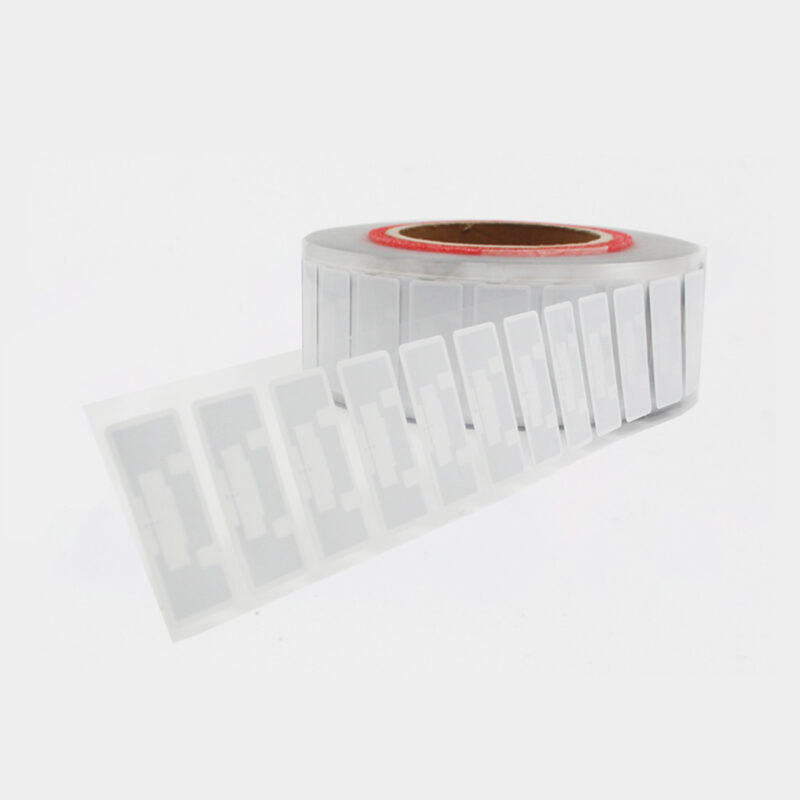
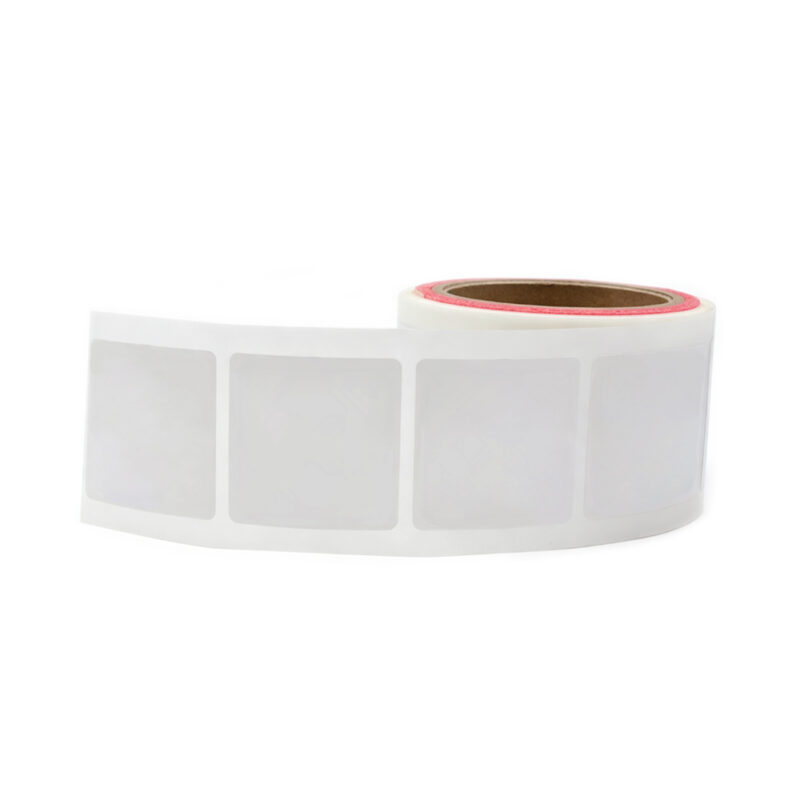
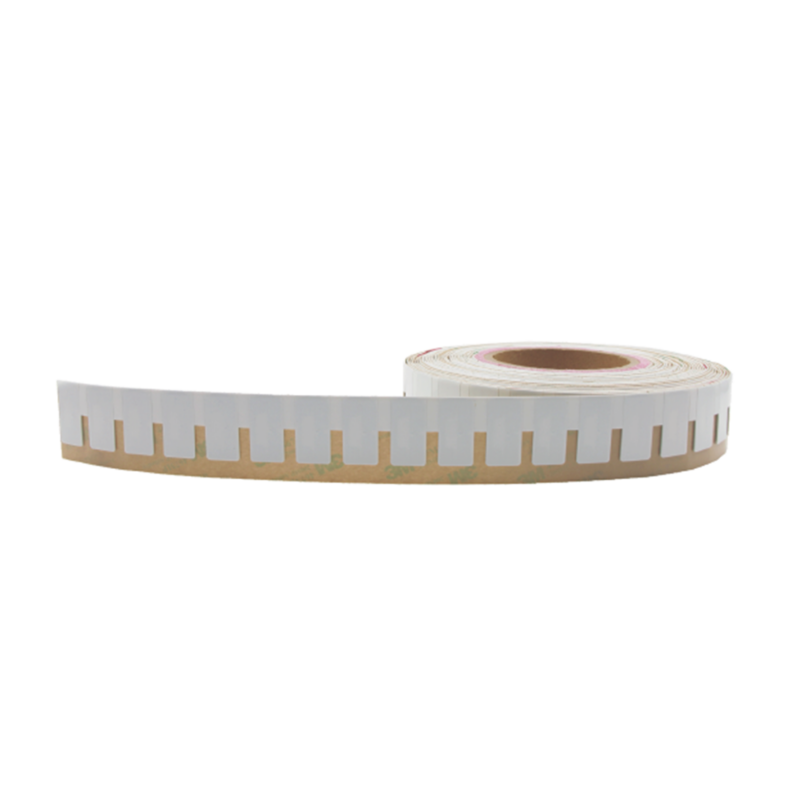
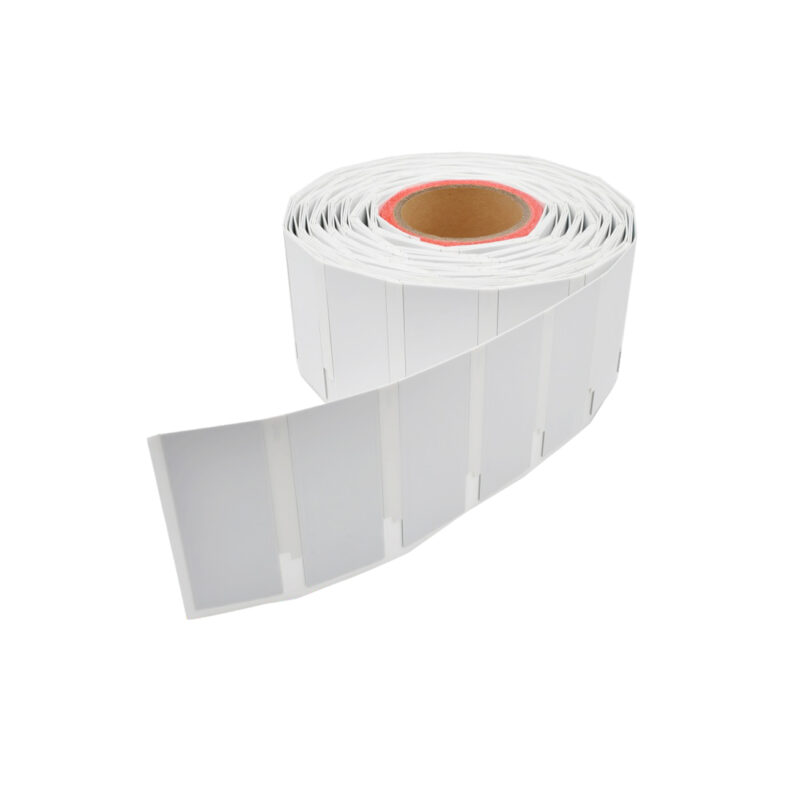
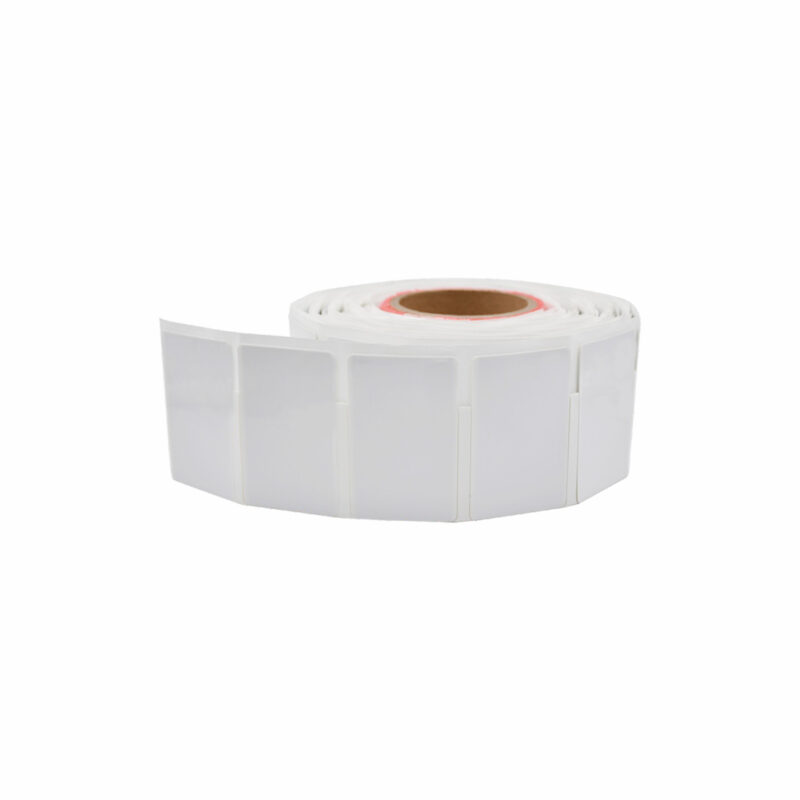
RFID labels are self-adhesive labels embedded with an RFID chip and antenna that enable automatic identification and data collection through radio frequency technology. Compared with traditional barcodes, RFID labels support faster reading, bulk scanning, and improved tracking efficiency without requiring direct line-of-sight scanning.
RSTC focuses on RFID label solutions designed for inventory management, logistics tracking, asset identification, and industrial applications. Our RFID labels include printable RFID labels, on-metal RFID labels, anti-liquid RFID labels, and general-purpose UHF RFID labels to support different surfaces, environments, and tracking requirements. These RFID label solutions help businesses improve data accuracy, streamline operations, and manage products, assets, and inventory more efficiently across warehouses, supply chains, and industrial facilities.
Different RFID labeling applications require different label designs depending on the mounting surface, printing requirements, environmental conditions, and operational needs. RSTC specializes in UHF RFID label solutions optimized for inventory management, logistics tracking, asset identification, and industrial applications.
Printable RFID labels combine RFID technology with visible printed information such as barcodes, serial numbers, product descriptions, and branding elements. They are ideal for applications that require both RFID-based tracking and human-readable identification.
On-metal RFID labels are specifically engineered for attachment to metal surfaces, where conventional RFID labels may experience reduced performance. They are commonly used for equipment tracking, tool management, metal container identification, and industrial asset monitoring.
Anti-liquid RFID labels are designed for environments involving liquids, liquid-filled containers, or products with high moisture content. Their construction helps minimize signal interference and supports reliable RFID performance in challenging conditions.
RFID inlay labels contain an RFID chip and antenna that can be converted into finished RFID labels or stickers. They provide a flexible foundation for product identification, logistics management, inventory control, and customized RFID labeling applications.
Custom RFID labels can be tailored to specific application requirements, including label size, material, adhesive type, printing format, and chip selection. They provide flexible identification solutions for specialized tracking and operational needs across various industries.
RFID labels are widely used in applications that require fast identification, high-volume tracking, and reliable data collection. With printable, on-metal, anti-liquid, and UHF RFID label options, RSTC supports a range of asset tracking, inventory management, logistics, and industrial identification needs.
Application Area | Typical Use | Key Benefits |
Inventory Management | Apply RFID labels to products, cartons, or pallets to automate stock counting and inventory updates. | Improved inventory accuracy, reduced manual work, faster stock audits. |
Asset Tracking | Use RFID asset tracking labels to identify and monitor tools, equipment, containers, and valuable assets. | Better asset visibility, reduced loss, simplified asset management. |
Warehouse & Logistics | Attach UHF RFID labels to packages, boxes, or shipments for tracking across warehouses and supply chains. | Faster data capture, improved traceability, streamlined logistics operations. |
Metal Asset Identification | Use on-metal RFID labels for equipment, tools, metal containers, and other metallic surfaces. | Reliable RFID performance on metal surfaces, improved industrial asset tracking. |
Liquid Container Tracking | Apply anti-liquid RFID labels to liquid-filled containers, bottled products, or moisture-sensitive environments. | Reduced signal interference, more stable tracking performance. |
Product & Packaging Identification | Use printable RFID labels with barcodes, serial numbers, and product information for item-level identification. | Combined RFID tracking and visible labeling, improved operational efficiency. |
Industrial Equipment Management | Track machinery, production tools, and industrial devices throughout maintenance and usage cycles. | Improved equipment visibility, better maintenance control, reduced downtime. |
Selecting the right RFID label depends on your application scenario, mounting surface, printing requirements, operating environment, and RFID system setup. Understanding these factors can help ensure stable reading performance and long-term tracking efficiency.
Start by identifying what you need to track and how the RFID labels will be used. Inventory management, asset tracking, logistics labeling, product identification, and industrial equipment management may require different RFID label designs and materials.
The surface material has a direct impact on RFID performance. Standard RFID labels are suitable for many non-metallic surfaces, while on-metal RFID labels are recommended for metal equipment, tools, containers, and industrial assets.
Liquids and moisture can affect RFID signal performance. For liquid-filled containers, bottled products, or humid environments, anti-liquid RFID labels are recommended to improve reading stability and tracking reliability.
If visible information such as barcodes, serial numbers, product details, or branding needs to appear on the label, printable RFID labels are a suitable option. They combine RFID-based identification with human-readable information.
Consider the required read distance, RFID reader configuration, antenna setup, and chip compatibility. Choosing RFID labels that match your reader and system requirements helps improve data accuracy and operational efficiency.
As an experienced RFID label manufacturer, RSTC can help evaluate your application requirements and recommend suitable RFID label solutions based on surface material, printing needs, chip selection, and operating environment.
Not exactly. RFID labels are a type of RFID tag, usually designed with a self-adhesive backing for easy application to products, packaging, cartons, pallets, or assets. RFID tags are a broader category that may also include hard tags, cards, wristbands, laundry tags, and other RFID products. RFID labels are often preferred for high-volume applications where a lightweight, printable, and cost-effective identification solution is needed.
Yes. Printable RFID labels can be customized with barcodes, QR codes, serial numbers, product information, logos, and other visible data while maintaining RFID functionality. This makes them suitable for inventory management, logistics labeling, product identification, and asset tracking applications.
Standard RFID labels may experience reduced performance when applied directly to metal surfaces due to signal interference. For metal equipment, tools, containers, and industrial assets, on-metal RFID labels are recommended to help maintain stable read performance and consistent tracking results. RSTC offers RFID label solutions suitable for both standard and metal-mount applications.
Liquids can affect RFID signal transmission and reduce reading performance, especially when using standard RFID labels. For bottled products, liquid containers, or high-moisture environments, anti-liquid RFID labels are recommended to improve readability and system reliability.
The right RFID label depends on the item being tagged, mounting surface, required reading distance, printing needs, environmental conditions, and RFID system setup. Whether you need RFID labels for inventory management, logistics tracking, industrial assets, product packaging, or asset identification, RSTC can help evaluate your requirements and recommend a suitable RFID label solution.
As an experienced RFID manufacturer, RSTC provides RFID tags, readers, antennas, and system solutions for industrial tracking applications.