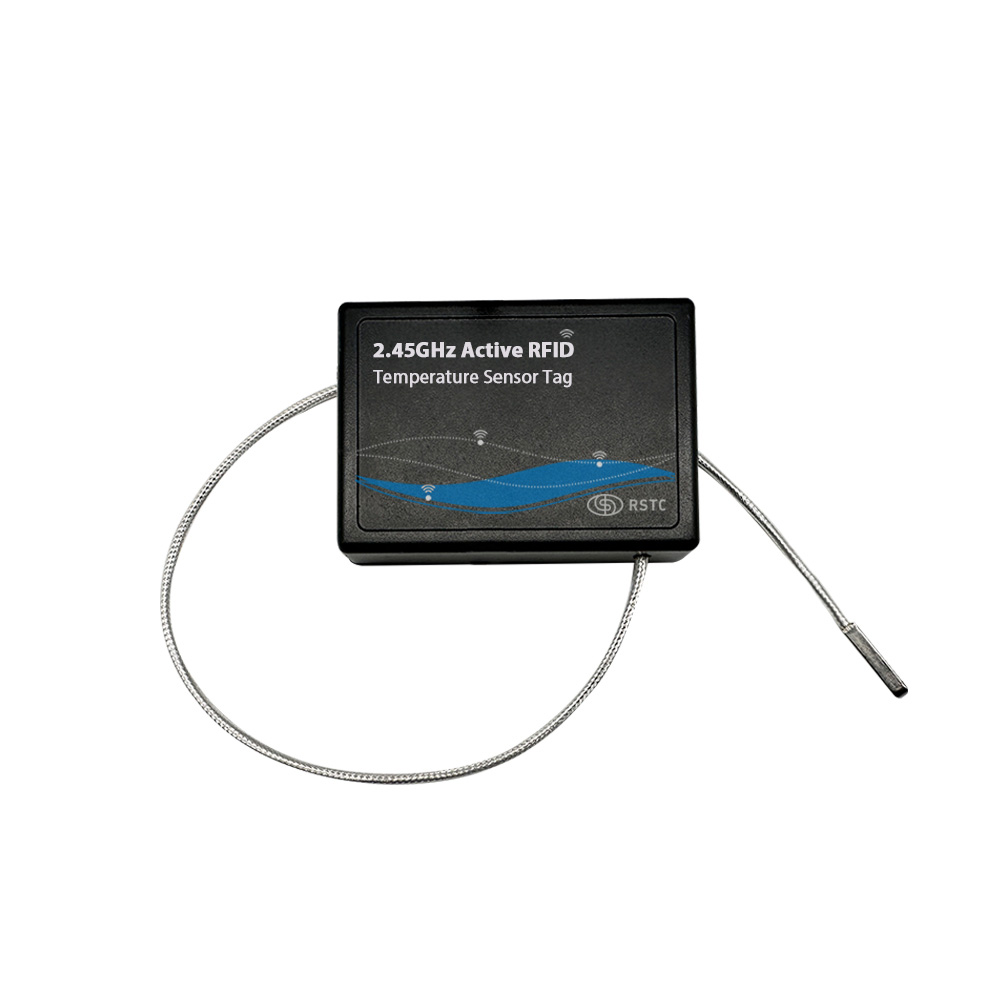

Passive vs Active RFID Tags Inventory Management

Discover the B2B supply advantages of passive vs active RFID tags for inventory management, with flexible MOQ and unparalleled quality. Leveraging over a decade of experience, we deliver tailored solutions for efficient asset tracking.

Discover Our Products

Experience the Difference

Tailored Solutions

Our passive and active RFID tags are customized to meet your specific business needs, ensuring precision in inventory tracking and management, leading to improved operational efficiency and reduced errors.

High-Quality Assurance

We are committed to providing high-quality RFID tags, backed by rigorous testing and standards compliance, resulting in reliable performance and long-term durability, crucial for effective inventory management.

资源 6-12

Competitive Minimum Order Quantities (MOQ)

Our flexible minimum order quantities (MOQ) cater to businesses of all sizes, enabling you to scale up your inventory management solutions according to your evolving operational needs without compromising quality.

资源 4-12

Proven Experience

With over a decade's experience in the RFID industry, our expertise guarantees optimal product selections and implementation strategies, empowering businesses to enhance their inventory management systems effectively.

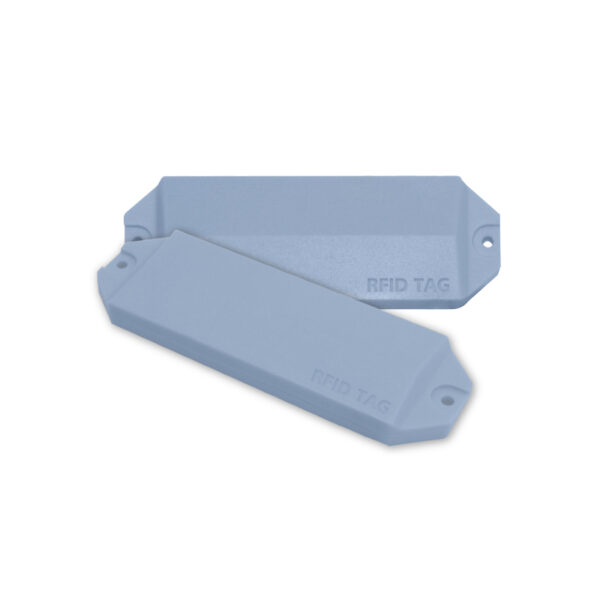
Cost-effectiveness

Passive RFID tags are generally more affordable than active tags, making them a cost-effective choice for businesses looking to enhance inventory tracking without significant investment. They require no batteries, reducing ongoing operational costs. This allows companies to allocate resources elsewhere while still benefiting from improved efficiency and accuracy in inventory management.

Longer Detection Range

Active RFID tags offer extended detection ranges compared to passive ones, allowing for real-time location tracking over larger areas. This feature is particularly beneficial for operations that require monitoring of mobile assets, such as vehicles in logistics or high-value equipment onsite. The ability to track items over significant distances can streamline workflows and improve asset management processes.

Data Storage Capability

Active RFID tags typically have more memory capacity than passive tags, enabling the storage of more extensive data, including detailed transaction logs and monitoring information. This advantage is crucial for businesses that need to analyze past movements and make informed decisions based on comprehensive data analytics tools. Enhanced data storage capability leads to better inventory insights and operational strategies.

User Reviews

Real feedback from satisfied clients.

Product Information

A quick guide to common questions.
Passive RFID tags do not have an internal power source; they rely on energy emitted from RFID readers to transmit data. They are cost-effective and ideal for tracking items without heavy resource investments.
Active RFID tags are equipped with an internal battery, allowing them to transmit signals autonomously over longer distances. They are preferred for real-time tracking of assets in larger environments.
Choosing between passive and active RFID tags depends on your inventory management needs; passive tags offer cost efficiencies for static items, while active tags provide superior tracking for high-value, mobile assets.

Get a quote