In today’s data-driven business environment, automatic identification technologies play a critical role in improving visibility and operational efficiency. Among them, the RFID reader is one of the most important components of an RFID system, enabling businesses to capture and process information without direct contact or line-of-sight scanning. Whether used in logistics, manufacturing, or asset management, RFID technology helps organizations track items and people more accurately. This article explains the meaning of an RFID reader, its types, working principles, key components, and common applications.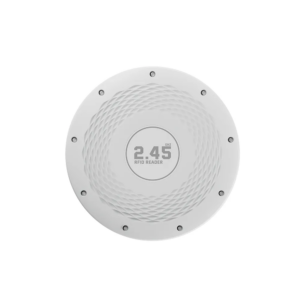
What Is an RFID Reader?
An RFID reader is a device that communicates with RFID tags using radio frequency signals. Its primary function is to identify, read, and sometimes write data stored on RFID tags. Once the information is collected, the reader transmits it to a software platform or management system for further processing.
Compared with traditional barcode systems, RFID technology offers several advantages. It can read multiple tags simultaneously, operate without direct line-of-sight, and improve data collection speed in complex environments. As a result, RFID systems have become widely adopted in industries that require real-time visibility and efficient tracking.
The reader serves as the bridge between RFID tags and enterprise systems, making it an essential part of any RFID deployment. Choosing the right RFID reader can significantly affect system performance, data accuracy, and operational efficiency.
Types of RFID Readers
RFID readers can be classified according to their installation method and communication technology.
RFID Reader Type | Main Characteristics | Typical Reading Range | Common Applications |
Fixed RFID Reader | Installed at a permanent location | Short to long range depending on configuration | Warehouses, production lines, access control |
Handheld RFID Reader | Portable and operated manually | Short to medium range | Inventory counting, asset audits |
Active RFID Reader | Works with battery-powered active tags | Up to hundreds of meters | Personnel tracking, vehicle management |
Passive UHF RFID Reader | Works with passive tags powered by reader signals | Typically several meters to over 20 meters | Inventory management, logistics, retail |
Fixed RFID readers
Fixed RFID readers are installed at strategic locations such as warehouse entrances, production lines, and access control points. They automatically identify tagged assets or personnel moving through designated zones, reducing manual intervention and improving data accuracy.
Handheld RFID readers
Handheld RFID readers offer flexibility for inventory checks, asset audits, and field operations where mobility is important. They are often used when assets are spread across large facilities.
Active RFID readers
Readers can also be categorized as active or passive. Active RFID readers communicate with battery-powered tags and typically achieve much longer reading distances. This makes them suitable for personnel management, transportation monitoring, and large industrial sites. For example, RSTC’s RS-AR01 2.45GHz Omni-Directional Active RFID Fixed Reader supports adjustable reading distances of up to 180 meters and can process up to 200 tags per second, making it suitable for large-scale tracking projects.
Passive UHF RFID readers
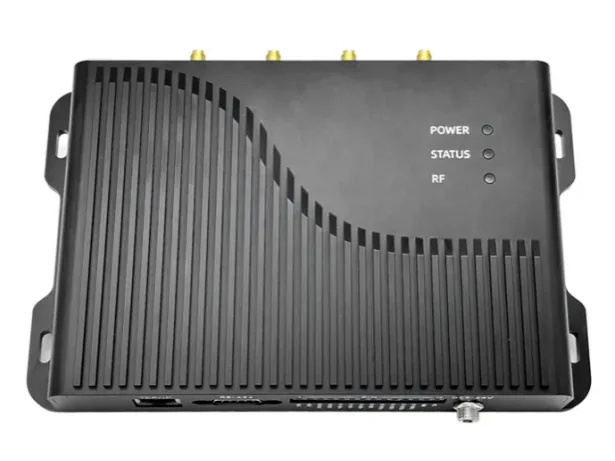
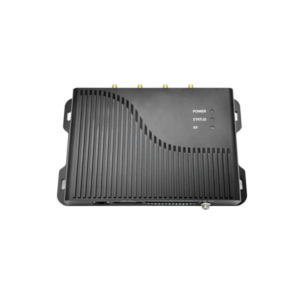
Passive UHF RFID readers are commonly used in warehousing and logistics because they provide efficient identification at a lower overall tag cost. In these environments, solutions such as RSTC’s RS-F905 Four-Port UHF RFID Reader, which utilizes the Impinj E710 chipset and supports reading distances of up to 25 meters, help businesses improve inventory visibility and asset tracking efficiency.
How Does an RFID Reader Work?
The RFID Data Transmission Process
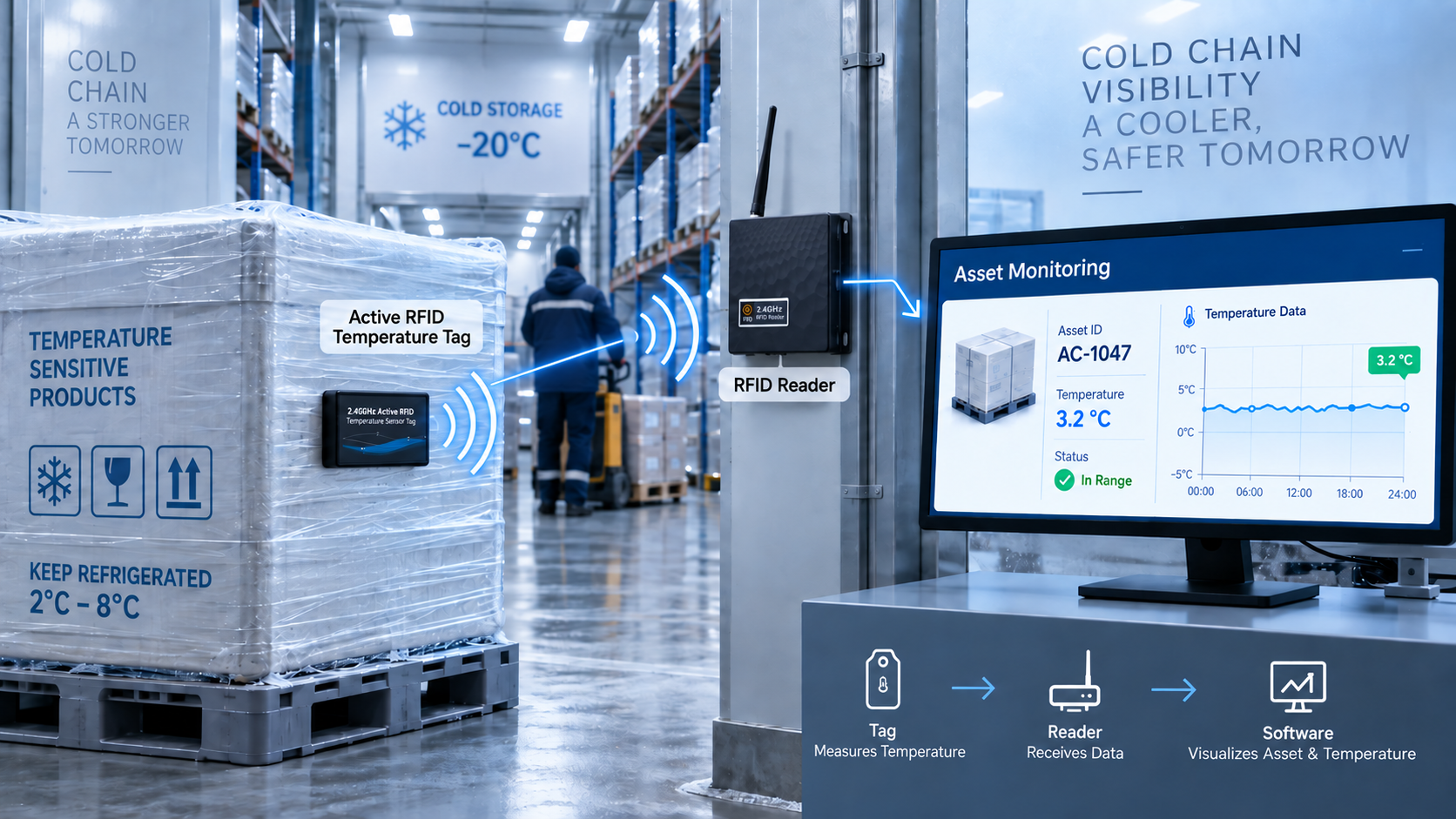
The operation of an RFID system involves communication between the reader, antenna, RFID tags, and backend software.
First, the reader transmits radio frequency signals through its antenna. When RFID tags enter the signal range, they respond by transmitting their stored identification data. The reader receives this information and converts it into a format that software systems can process.
The collected data is then transferred to a host computer, cloud platform, or enterprise management system through communication interfaces such as Ethernet, RS-232, Wi-Fi, or other network protocols. Modern readers are designed to integrate seamlessly with existing IT infrastructure, enabling real-time visibility across operations.
Key Components of an RFID Reader
Component | Function |
Antenna | Transmits and receives radio frequency signals |
RF Module | Generates and processes RFID communication signals |
Controller | Decodes tag data and manages reader operations |
Communication Interface | Transfers data to software platforms and enterprise systems |
Power Supply | Provides stable operation for the reader |
Communication flexibility is especially important in industrial environments. For instance, the RS-AI01 Fixed 2.45GHz Active Circle Outdoor RFID Reader supports RS-232, Ethernet, and Wiegand interfaces, while optional wireless communication modules allow for more versatile deployment in remote or distributed locations.
The efficiency of the entire RFID system largely depends on the performance and reliability of the RFID reader, making reader selection a key part of any implementation project.
Common RFID Reader Applications
RFID technology has become a valuable tool across numerous industries.
Warehouse and Inventory Management
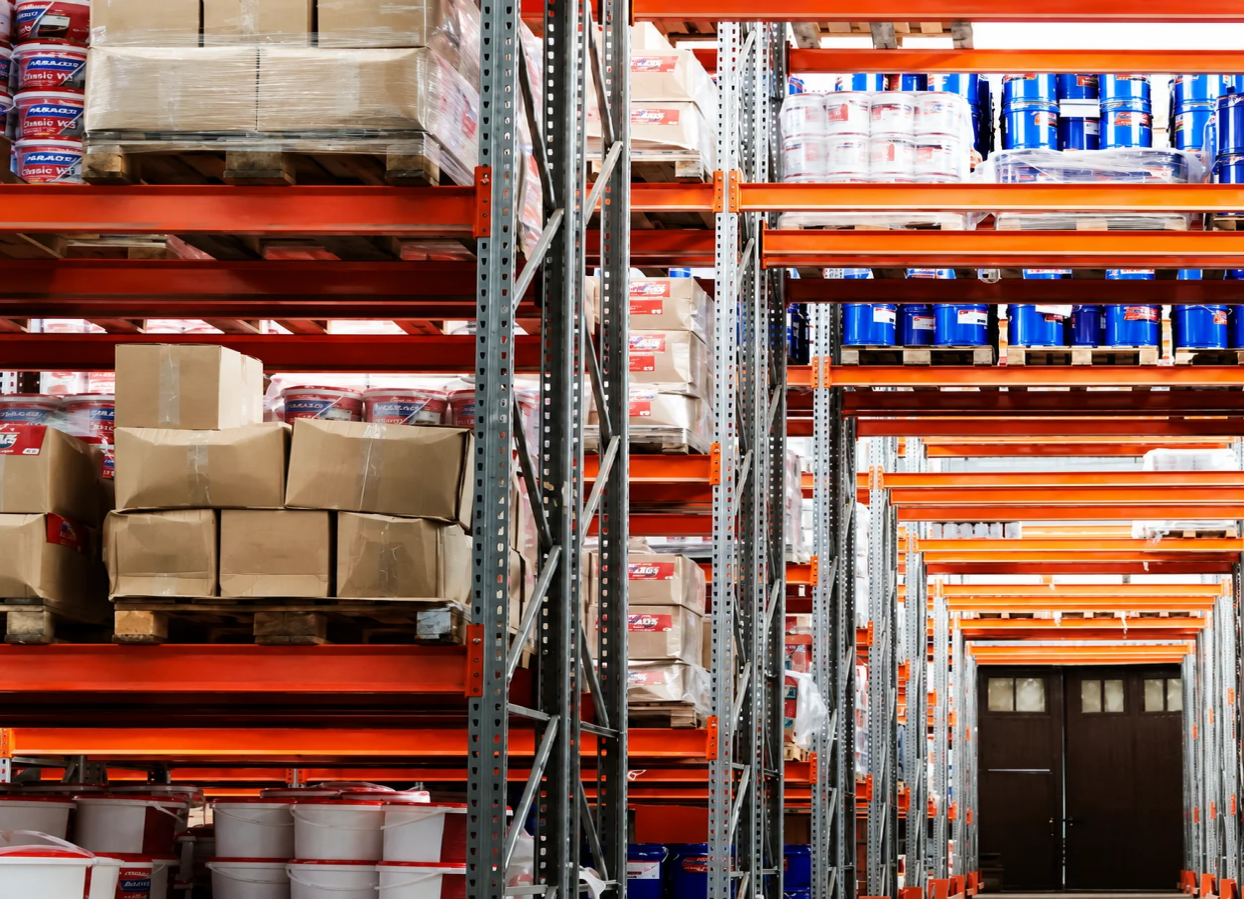
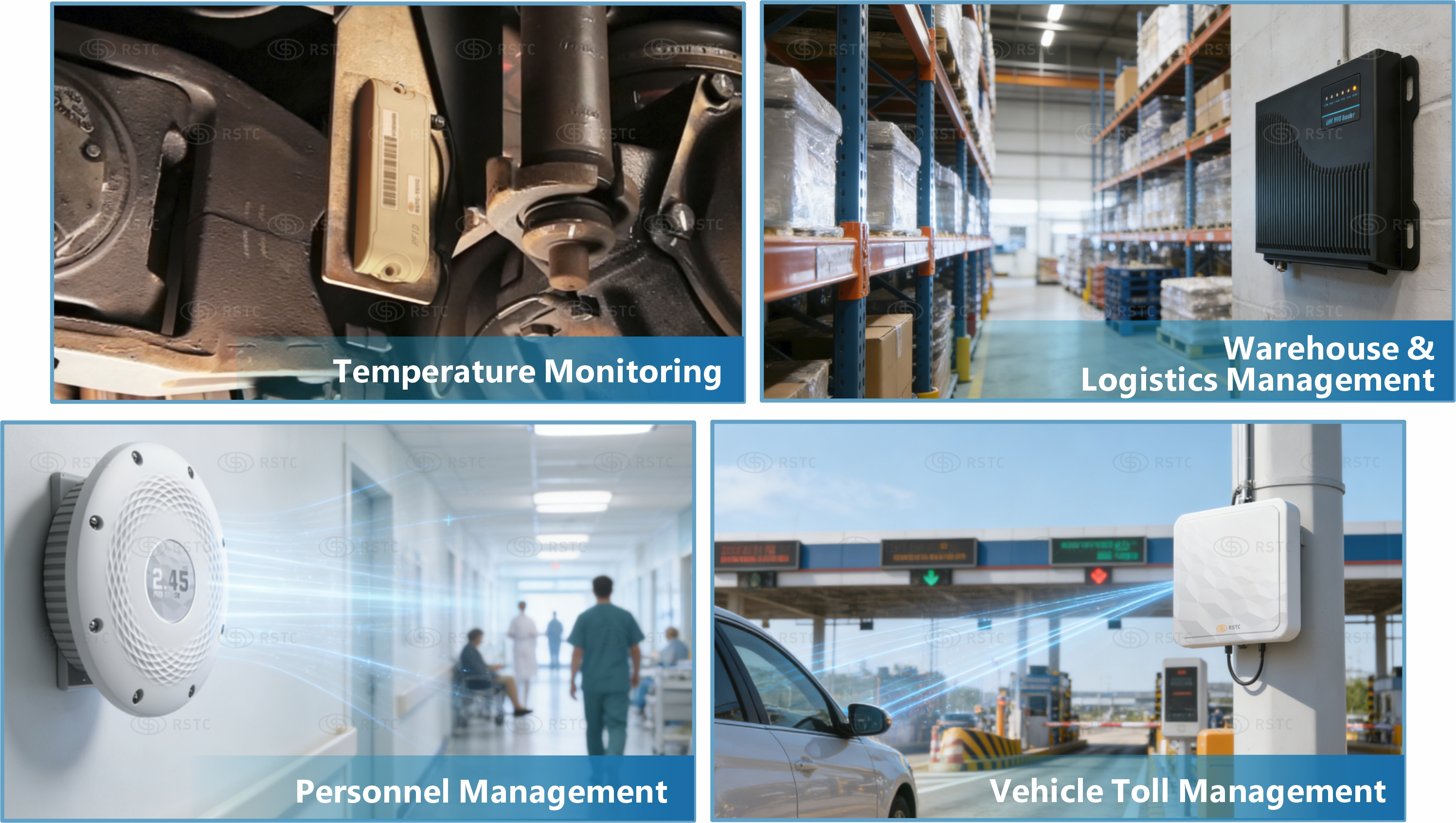
In warehouse and inventory management, RFID readers help businesses reduce manual counting, improve stock accuracy, and gain real-time visibility into inventory movements. Logistics providers use RFID systems to monitor shipments and improve traceability throughout the supply chain.
Asset Tracking and Equipment Monitoring
Asset tracking is another major application. Organizations can monitor equipment, tools, containers, and vehicles more effectively, reducing losses and improving utilization rates.
Personnel Tracking and Access Control
Personnel management and access control systems also benefit from RFID technology. Active RFID solutions enable automatic identification of employees and visitors while improving workplace safety.
Outdoor and industrial environments often present additional challenges such as dust, rain, and temperature fluctuations. Readers designed for these conditions can help ensure stable performance. For example, the RS-AI01 reader features an IP67-rated enclosure, making it suitable for transportation hubs, industrial yards, and other demanding deployment scenarios.
As digital transformation continues across industries, the role of the RFID reader in supporting automation, visibility, and operational efficiency continues to expand.
Choosing the Right RFID Reader for Your Business
Selecting the right RFID reader involves evaluating several factors, including reading range, environmental conditions, system integration requirements, and future scalability.
Evaluate Reading Range and Deployment Environment
Businesses operating in warehouses or distribution centers often prioritize high tag throughput and broad coverage, making UHF RFID solutions a common choice. Organizations managing personnel, vehicles, or assets across large facilities may benefit more from active RFID systems that support extended reading distances.
Environmental conditions should also be considered. Outdoor deployments typically require readers with robust protection against moisture and dust, while industrial facilities may need hardware capable of operating reliably under demanding conditions.
Consider Integration and Scalability Requirements
Integration is another important consideration. Readers that support multiple communication interfaces can simplify deployment and reduce integration costs. As RFID systems grow, scalability becomes equally important, ensuring the infrastructure can accommodate additional readers, tags, and applications without major upgrades.
Conclusion
Understanding the meaning, types, working principles, and applications of an RFID reader is essential for businesses seeking greater visibility and automation. By carefully evaluating application requirements, environmental conditions, and integration needs, businesses can select the right RFID solution and build a stronger foundation for long-term digital transformation. RSTC provides both active RFID and UHF RFID reader solutions for warehousing, transportation, manufacturing, asset management, and personnel tracking projects. Businesses planning an RFID deployment can contact us to discuss suitable hardware configurations and identify the most effective solution for their operational requirements.